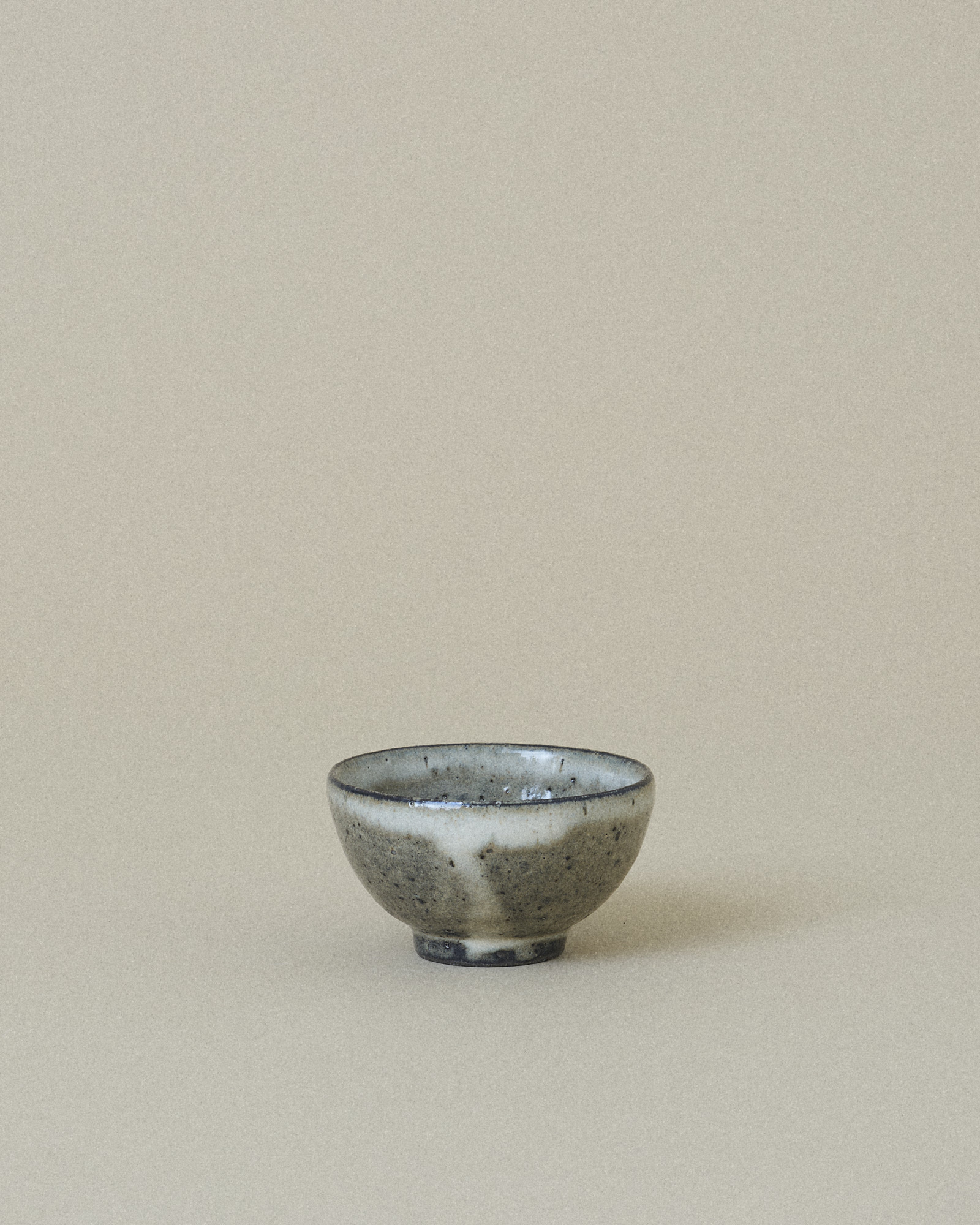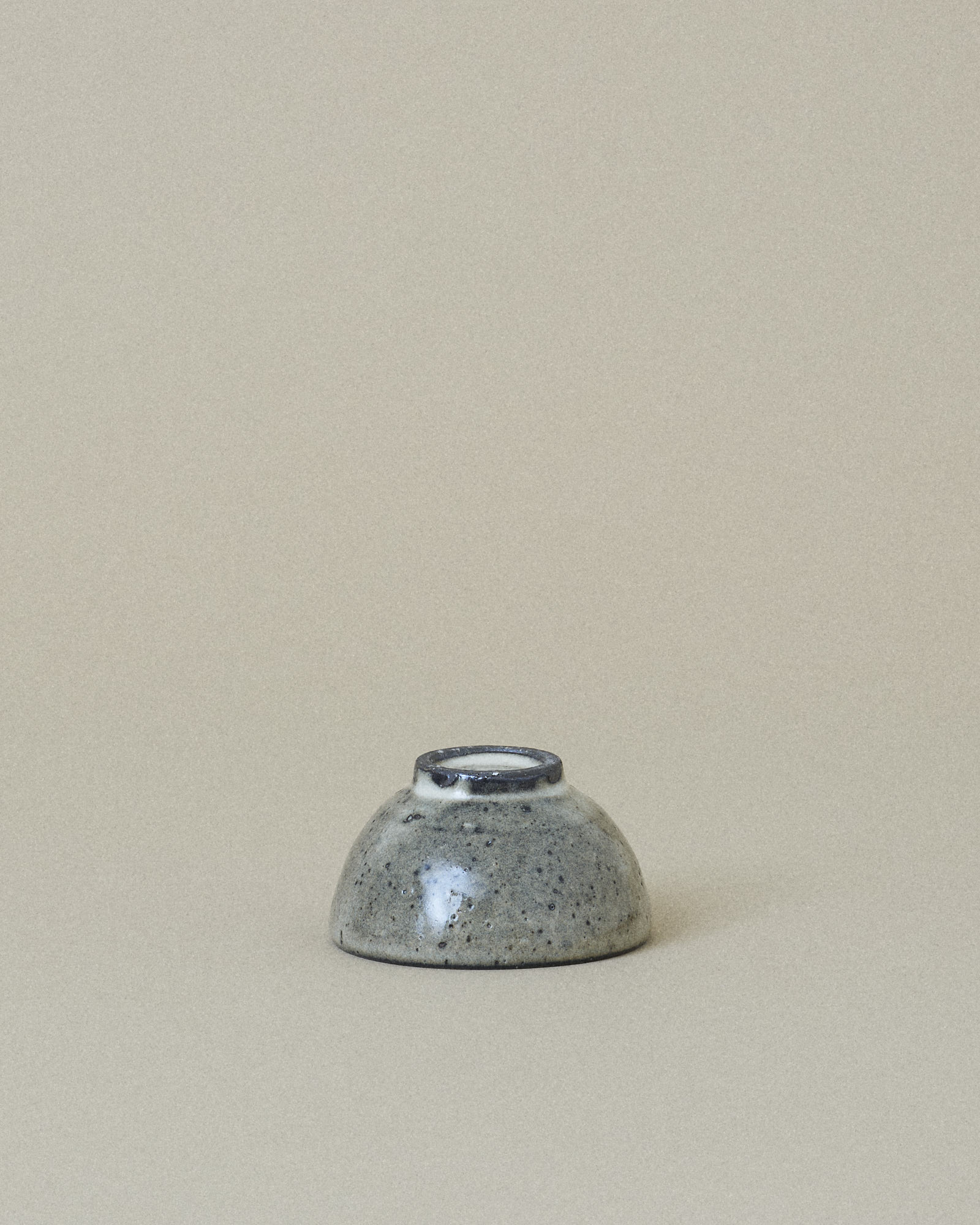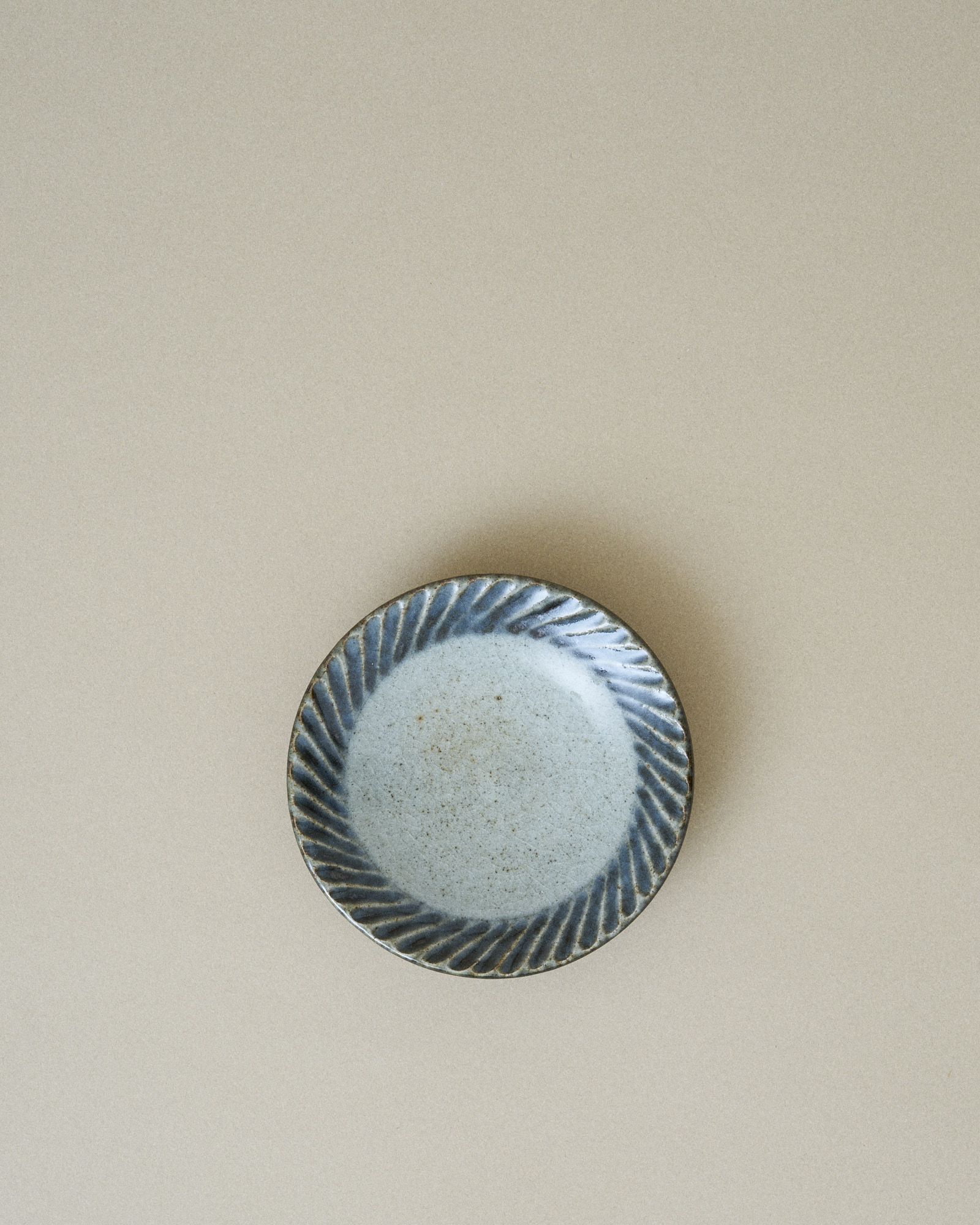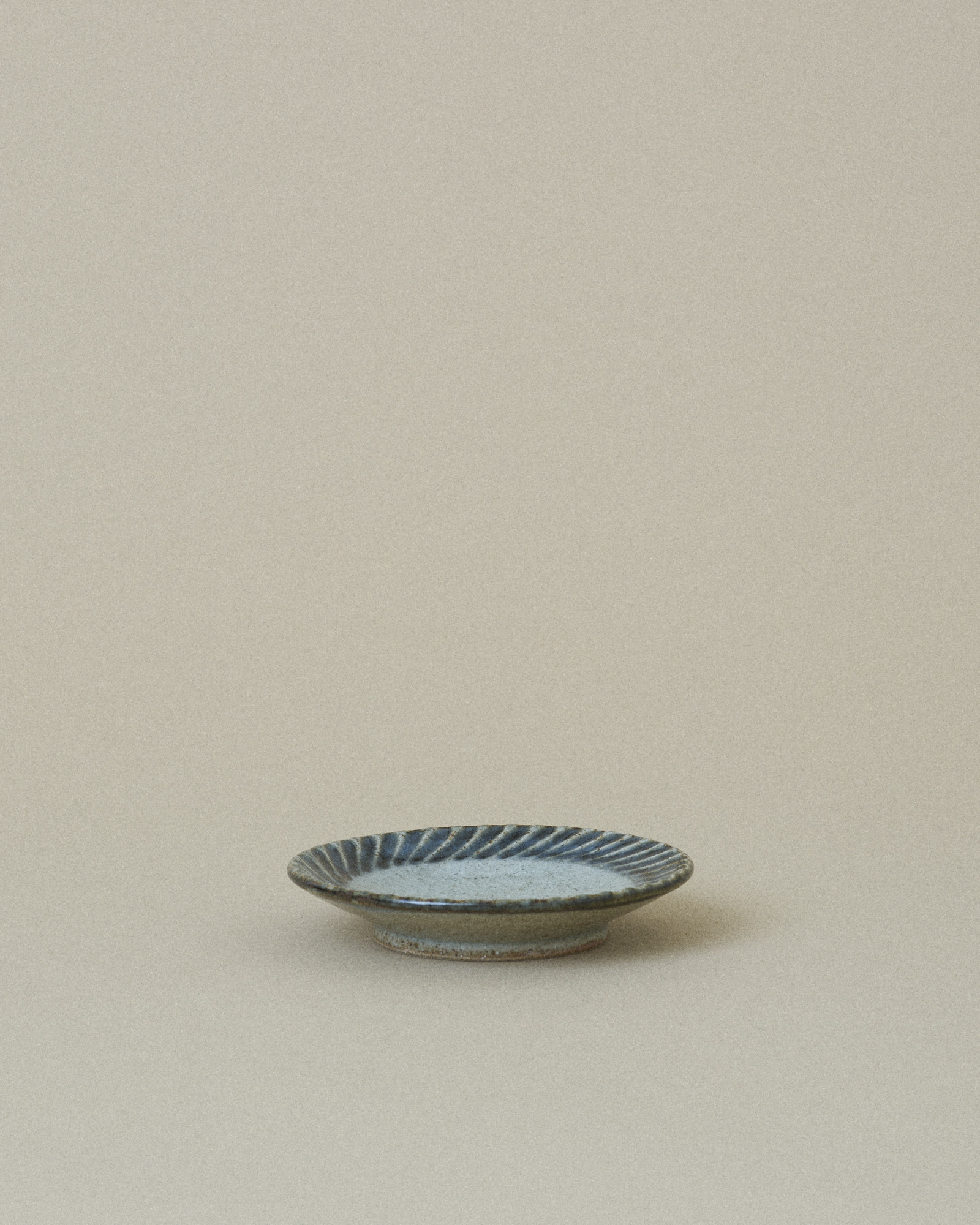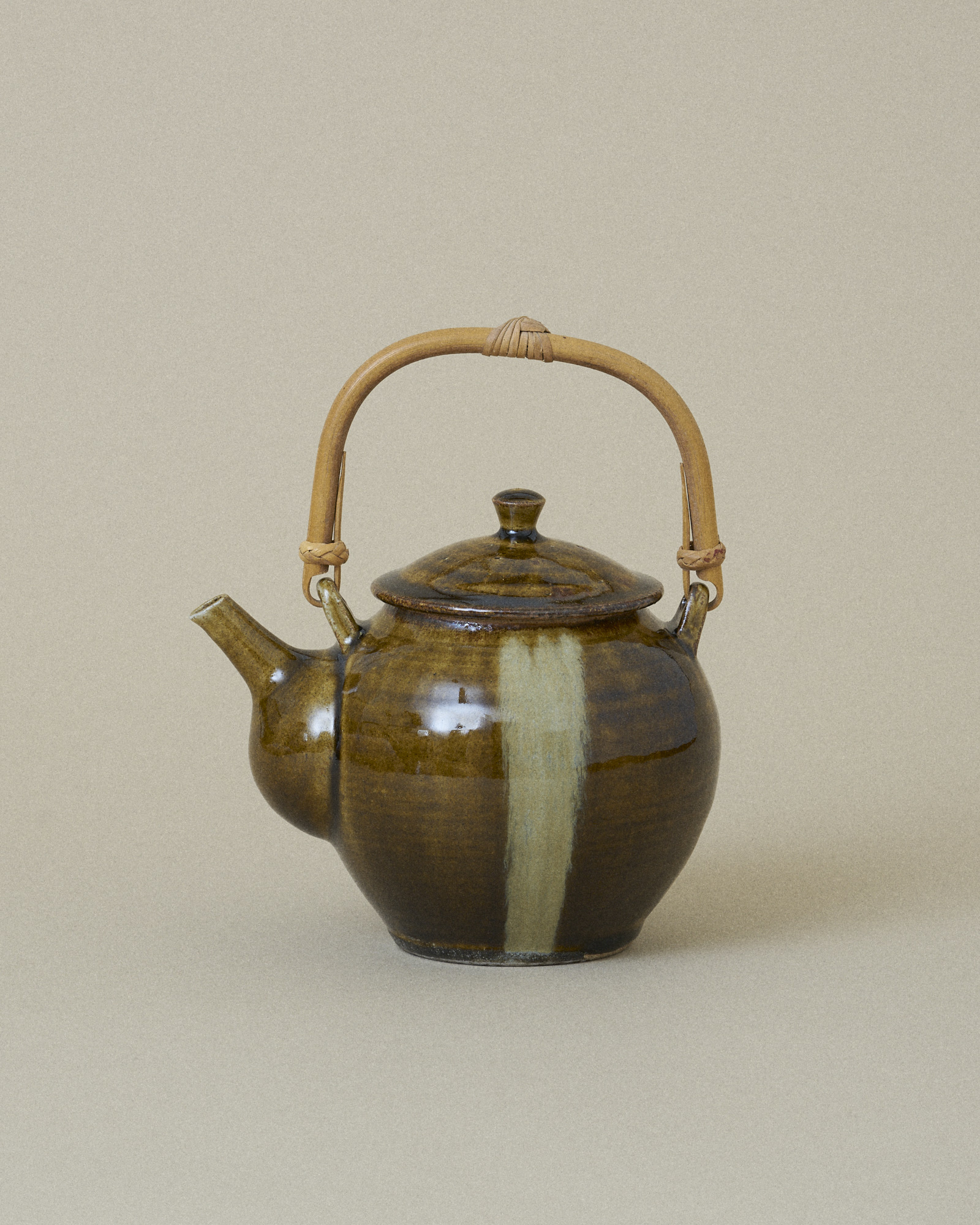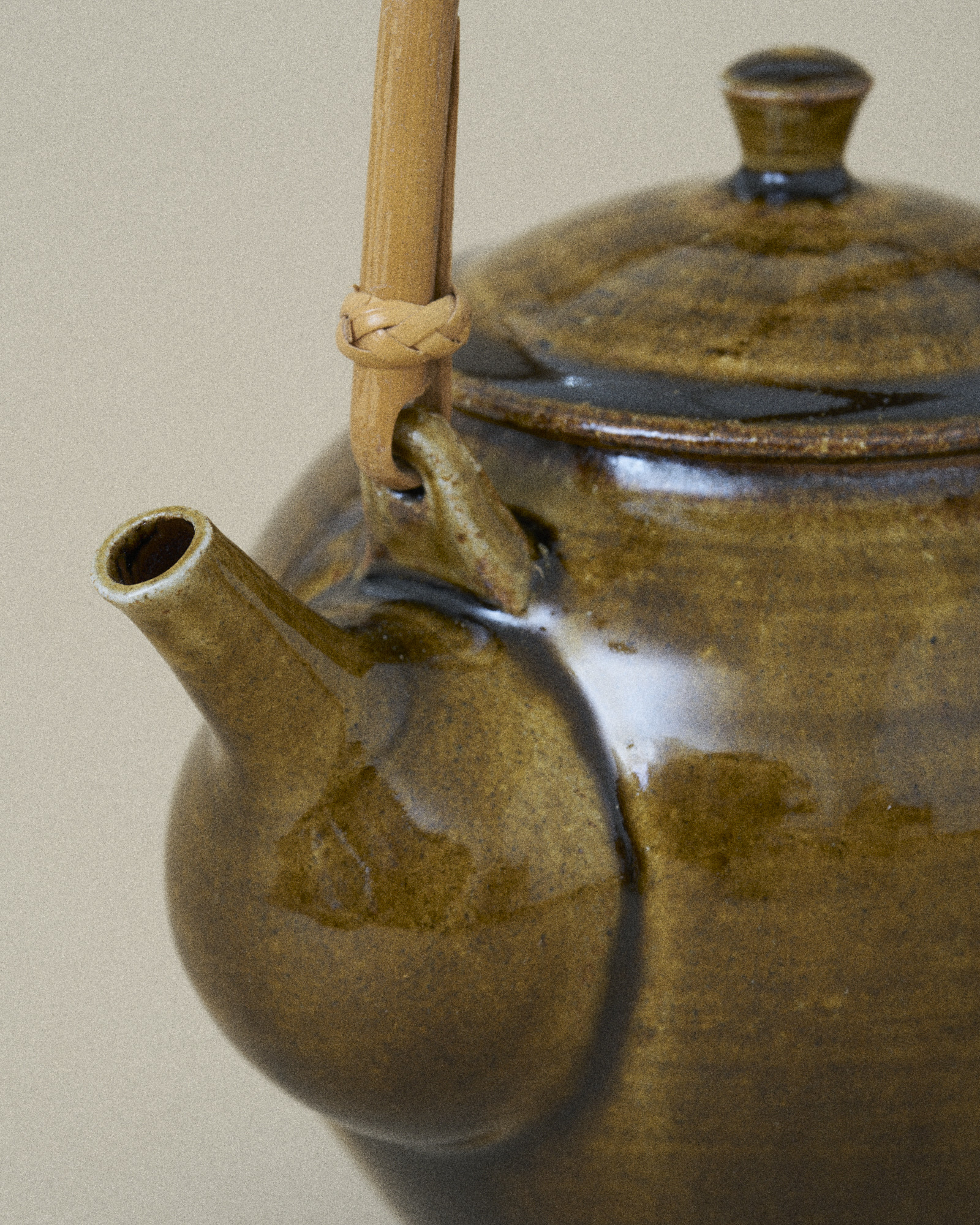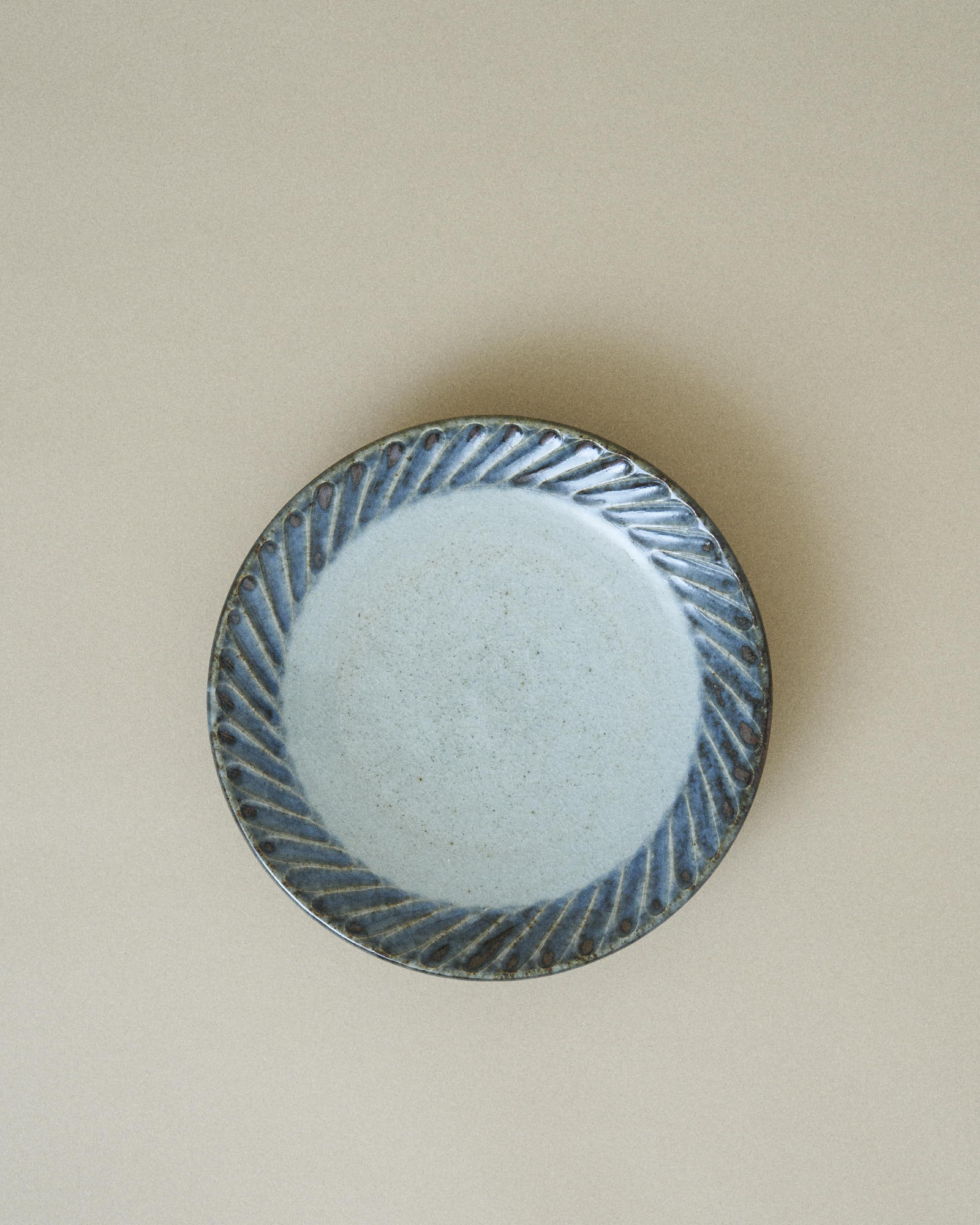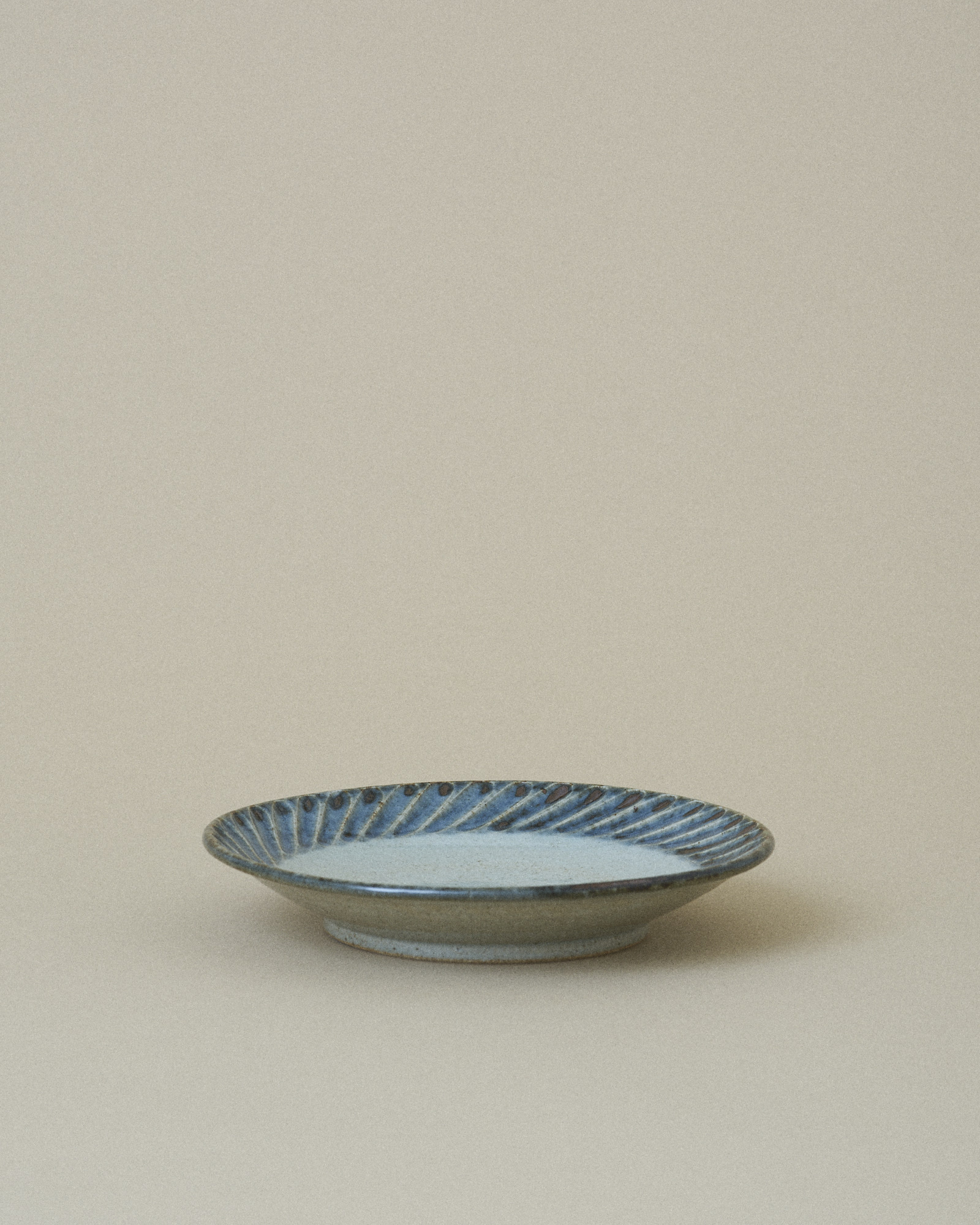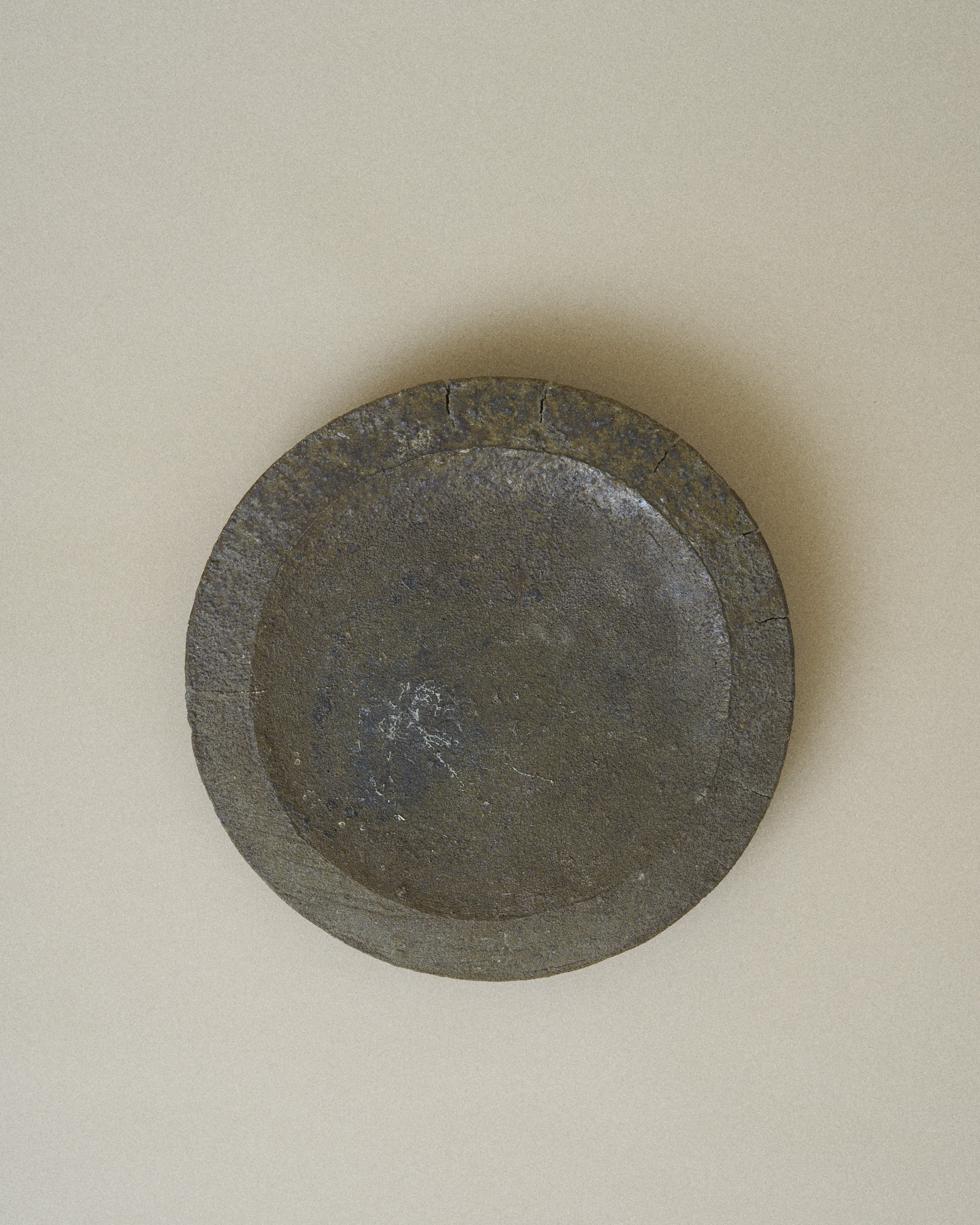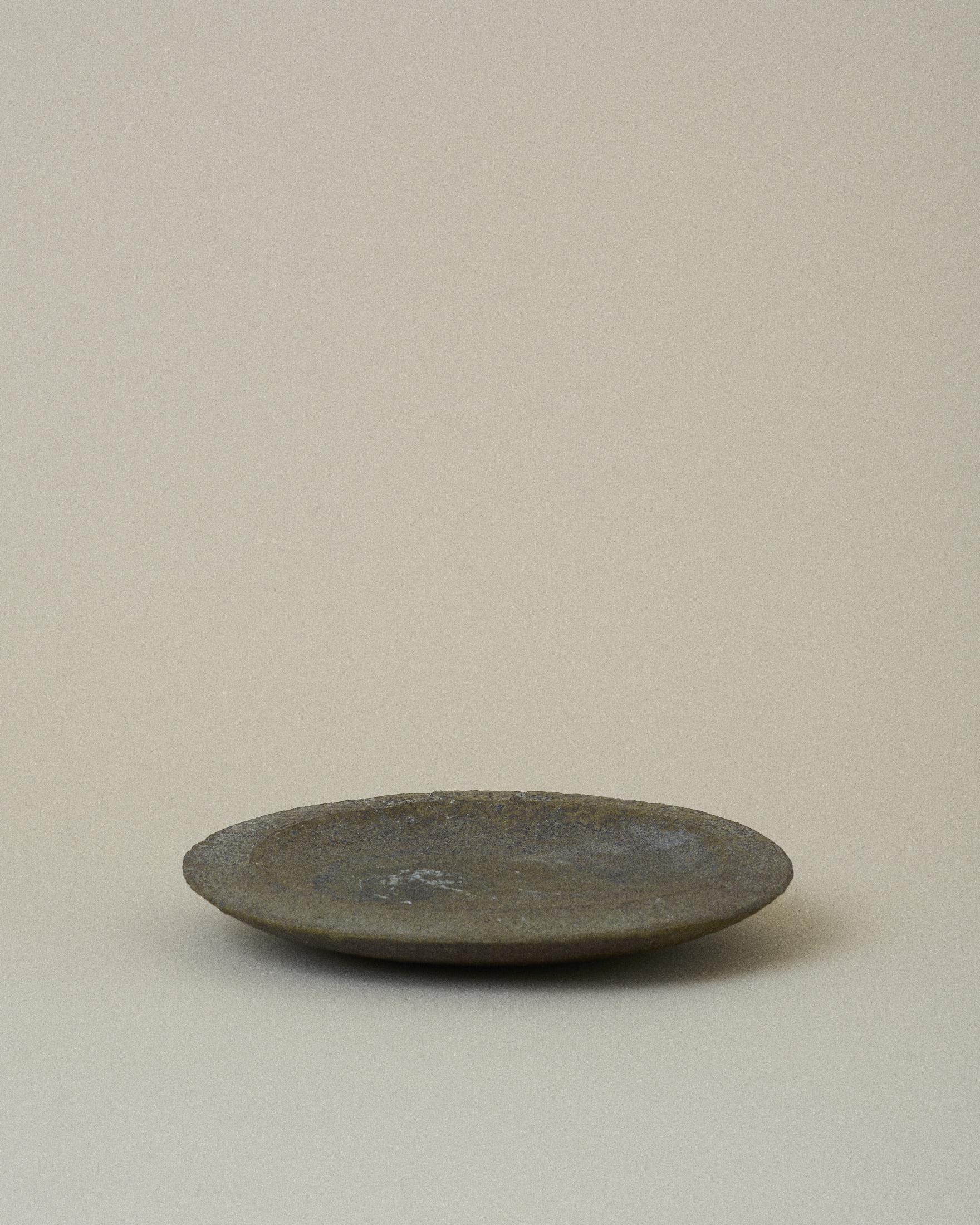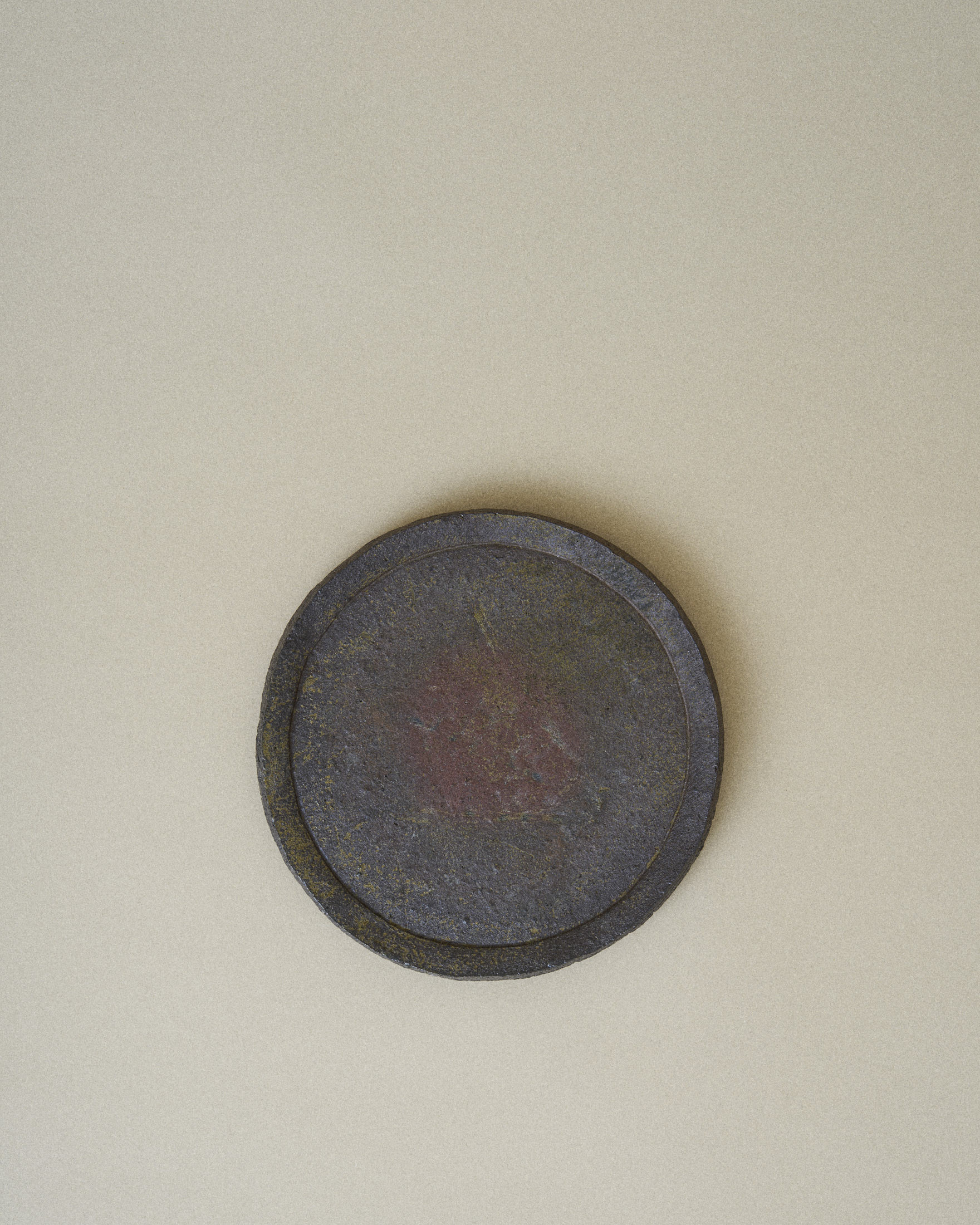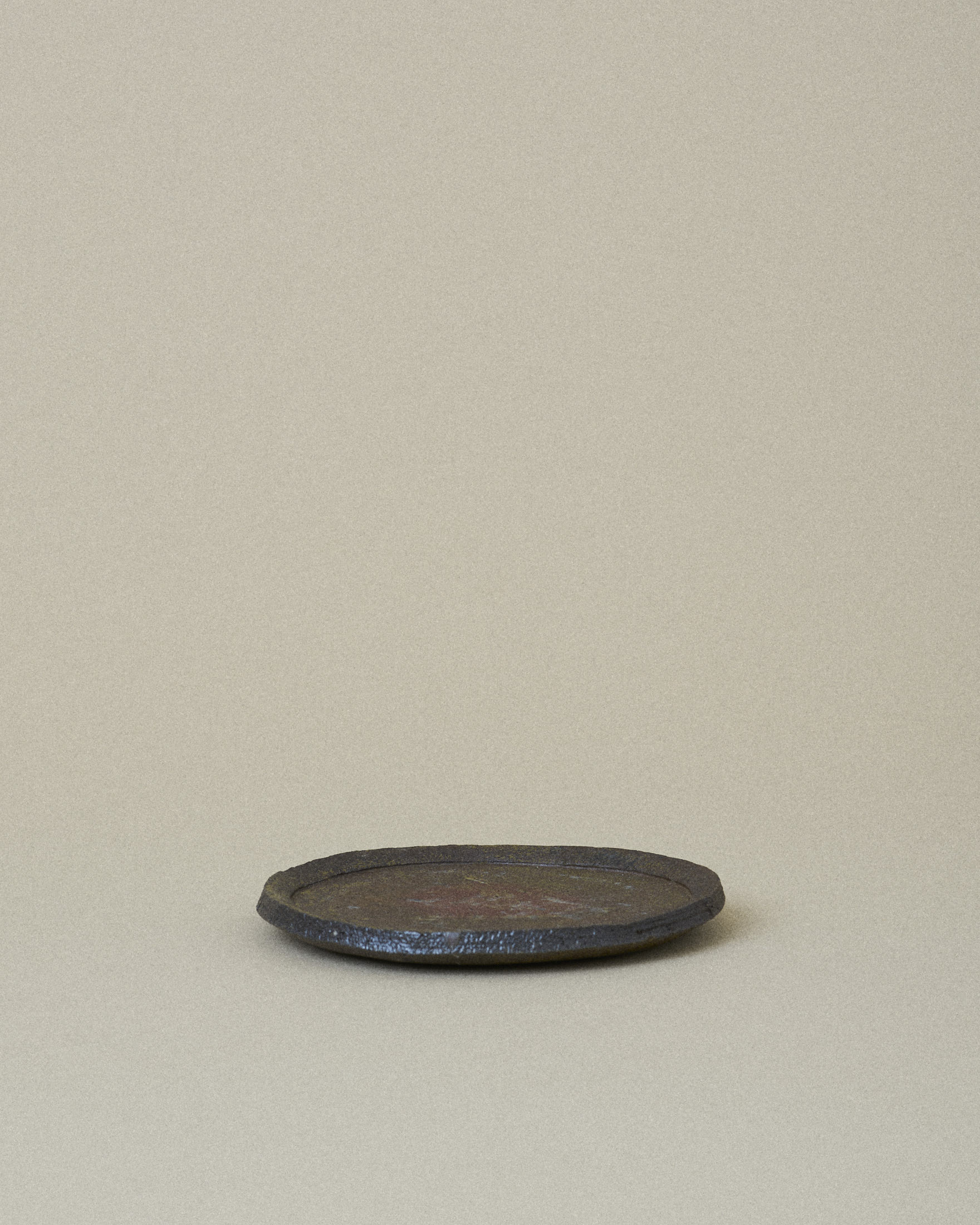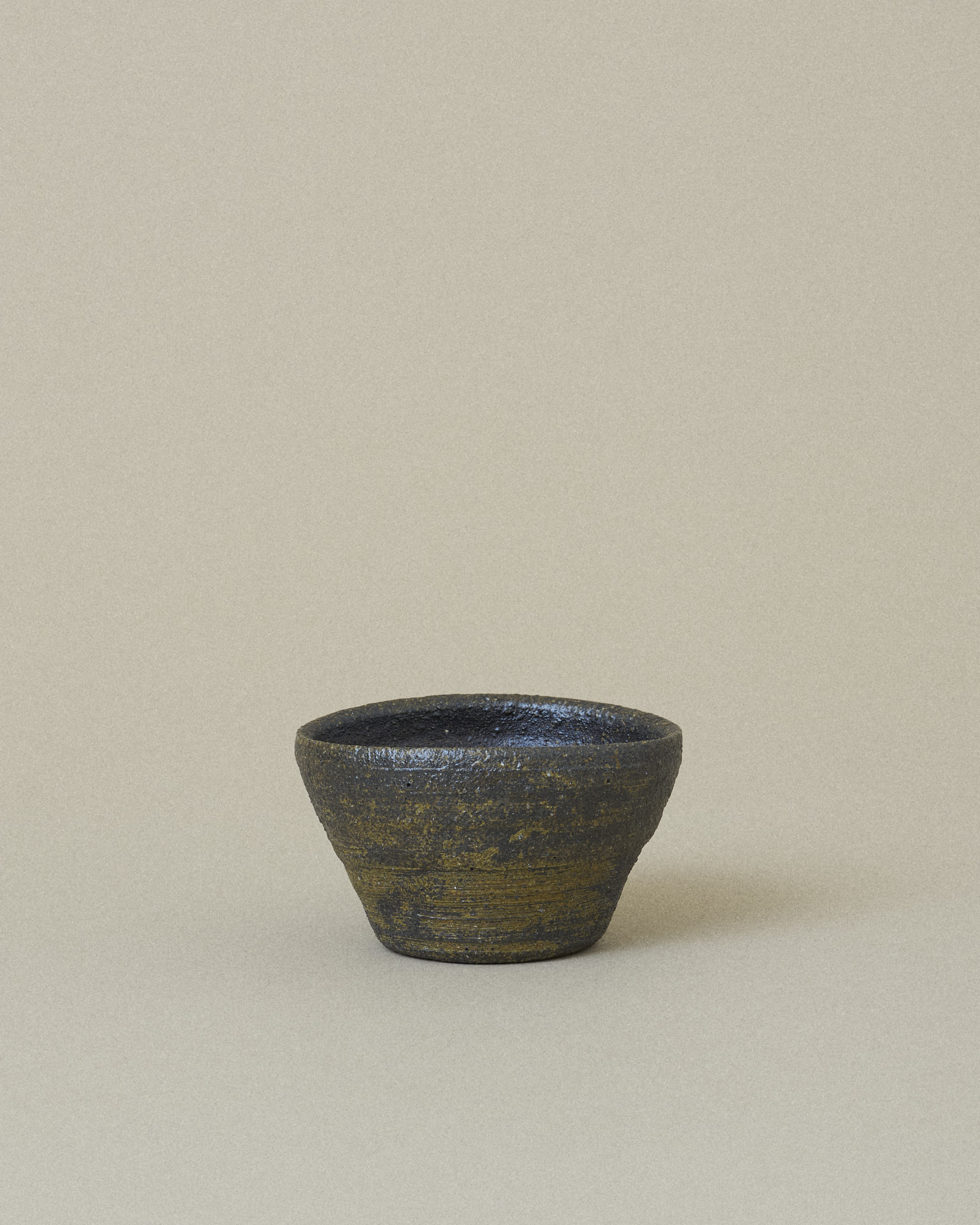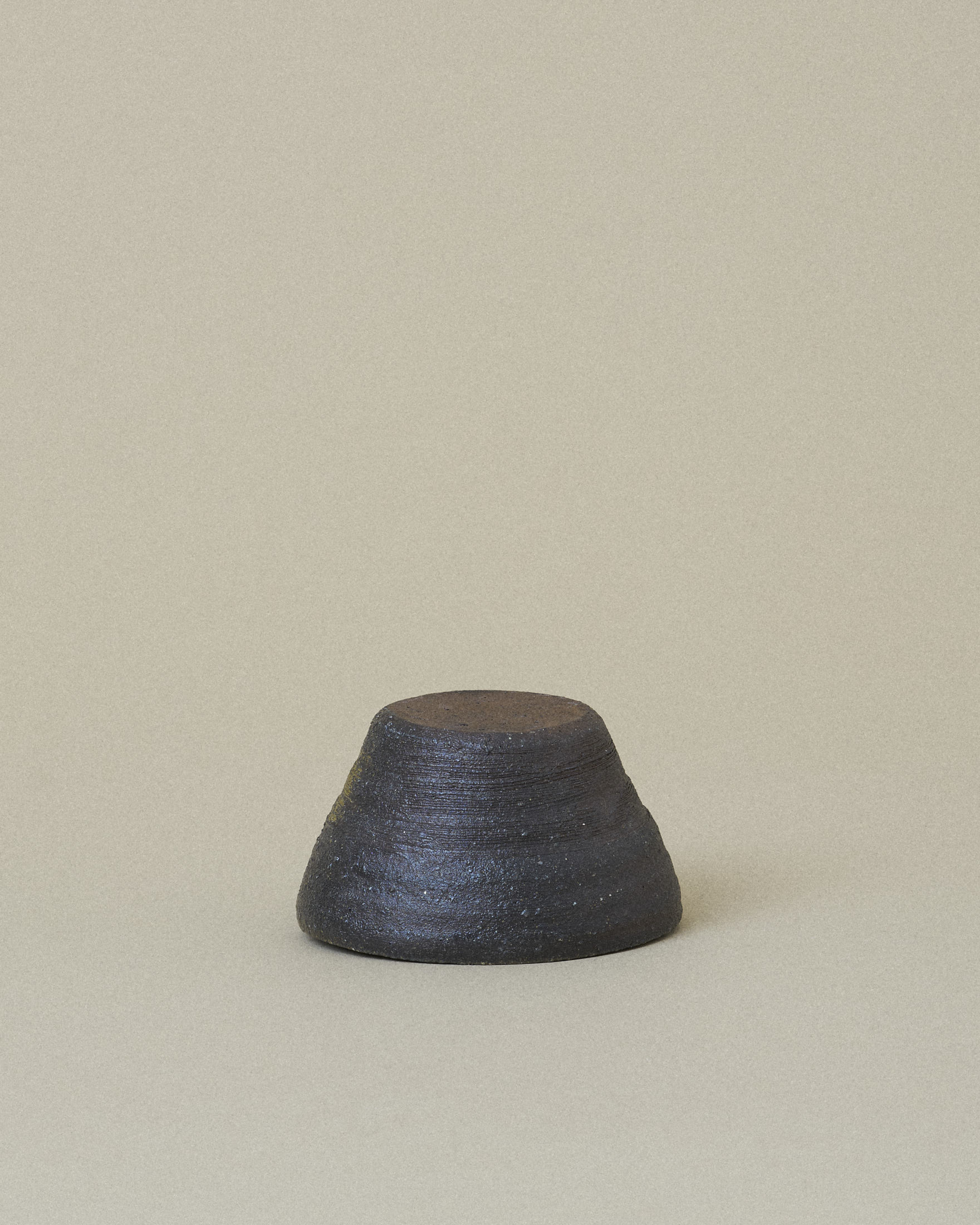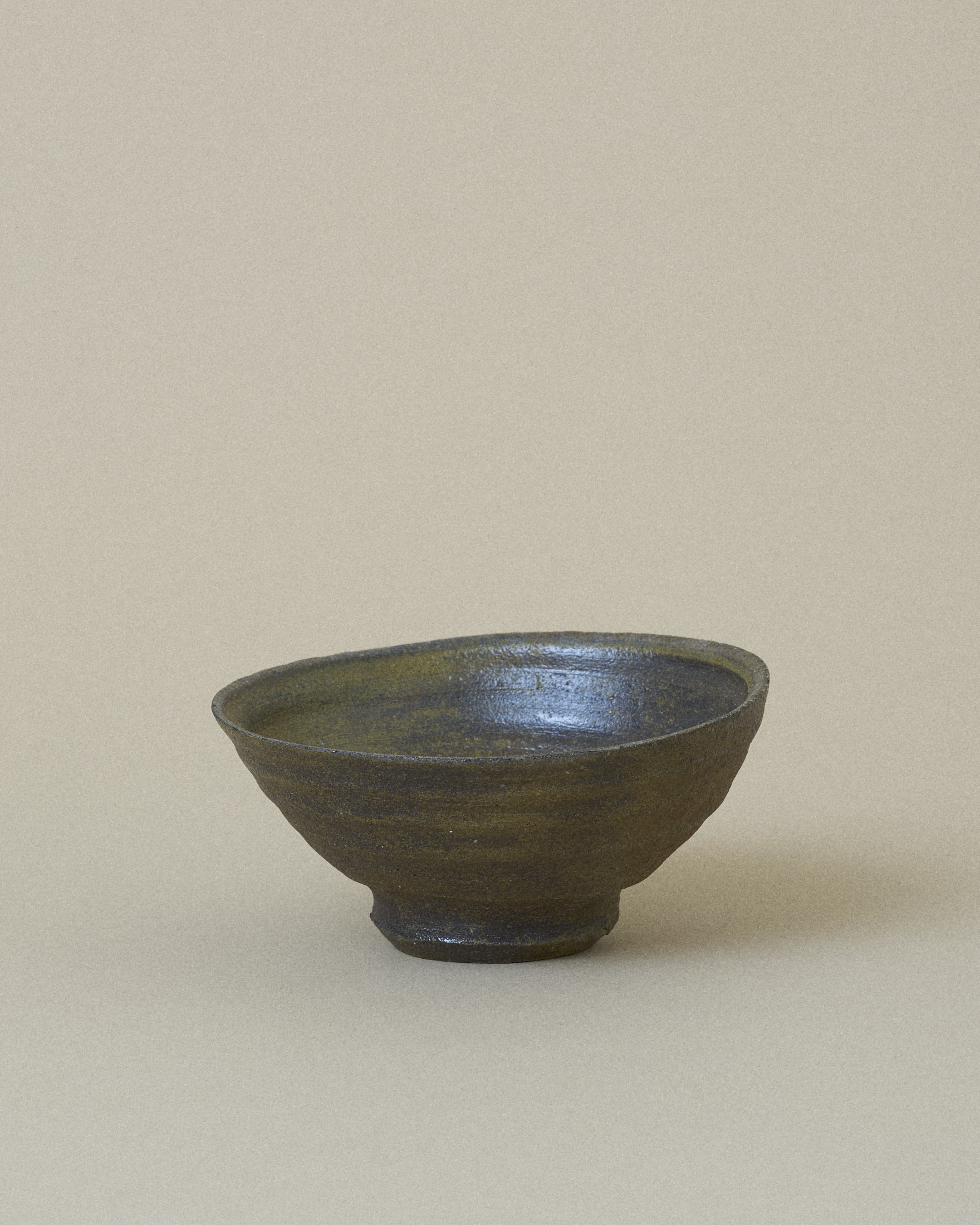
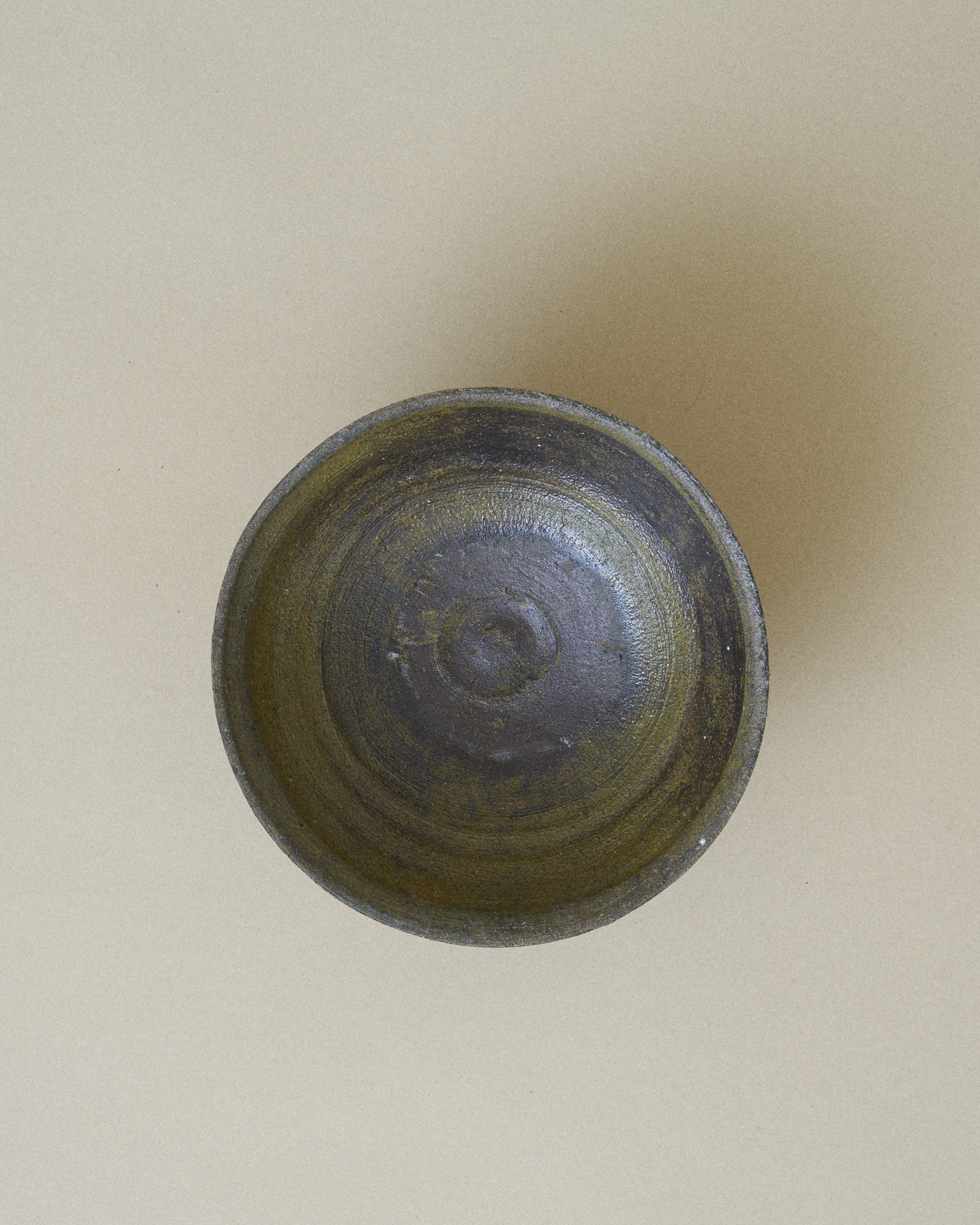
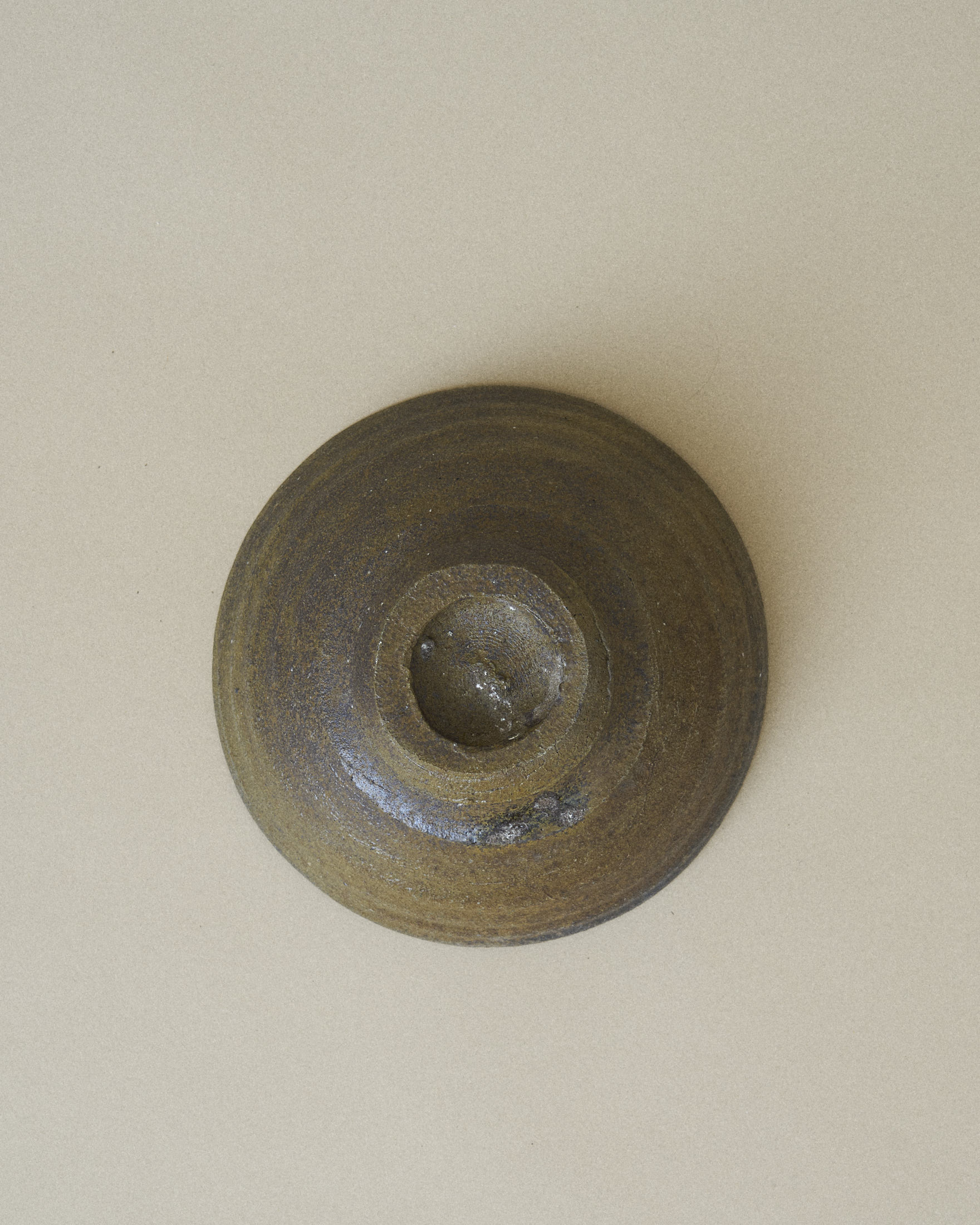
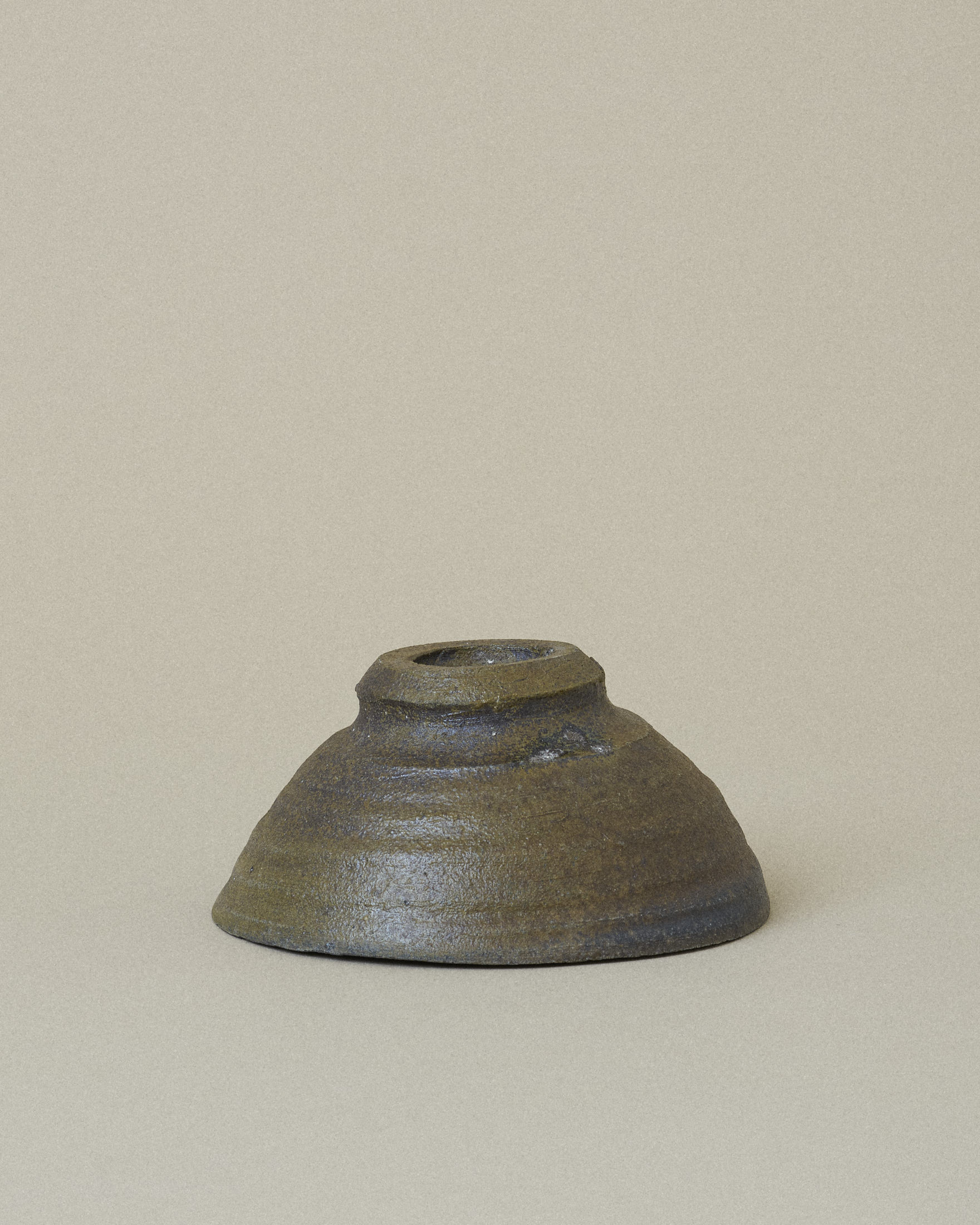
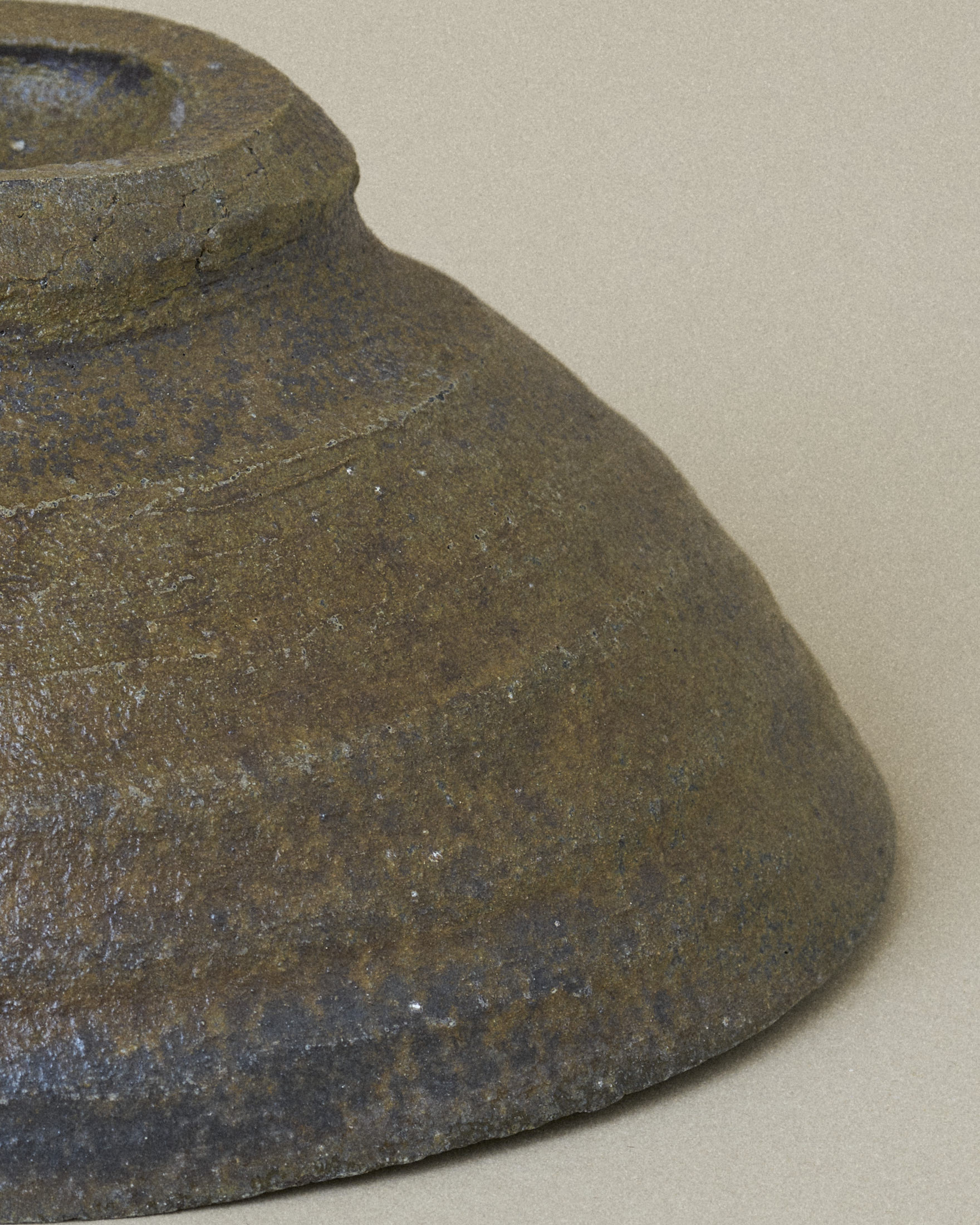
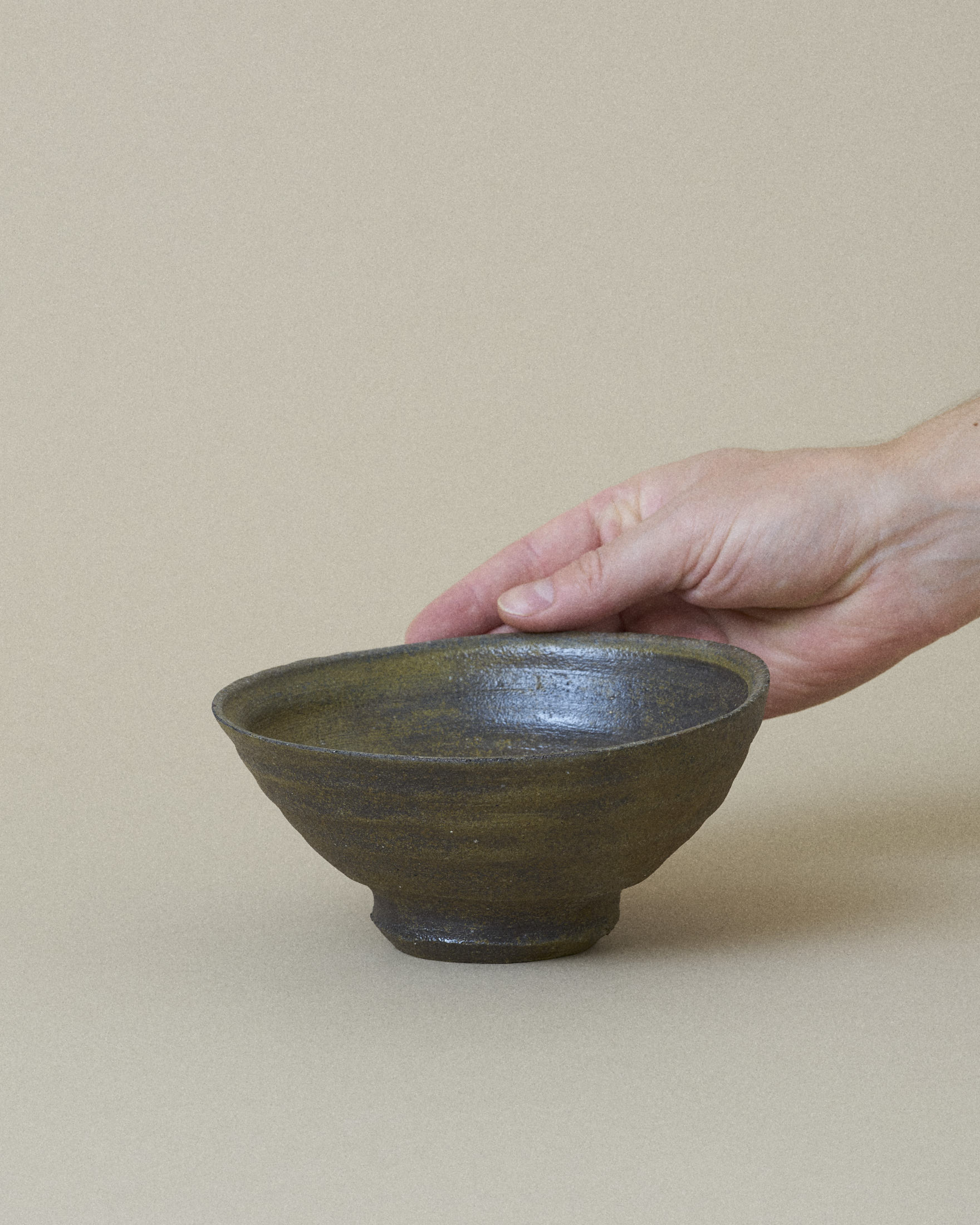
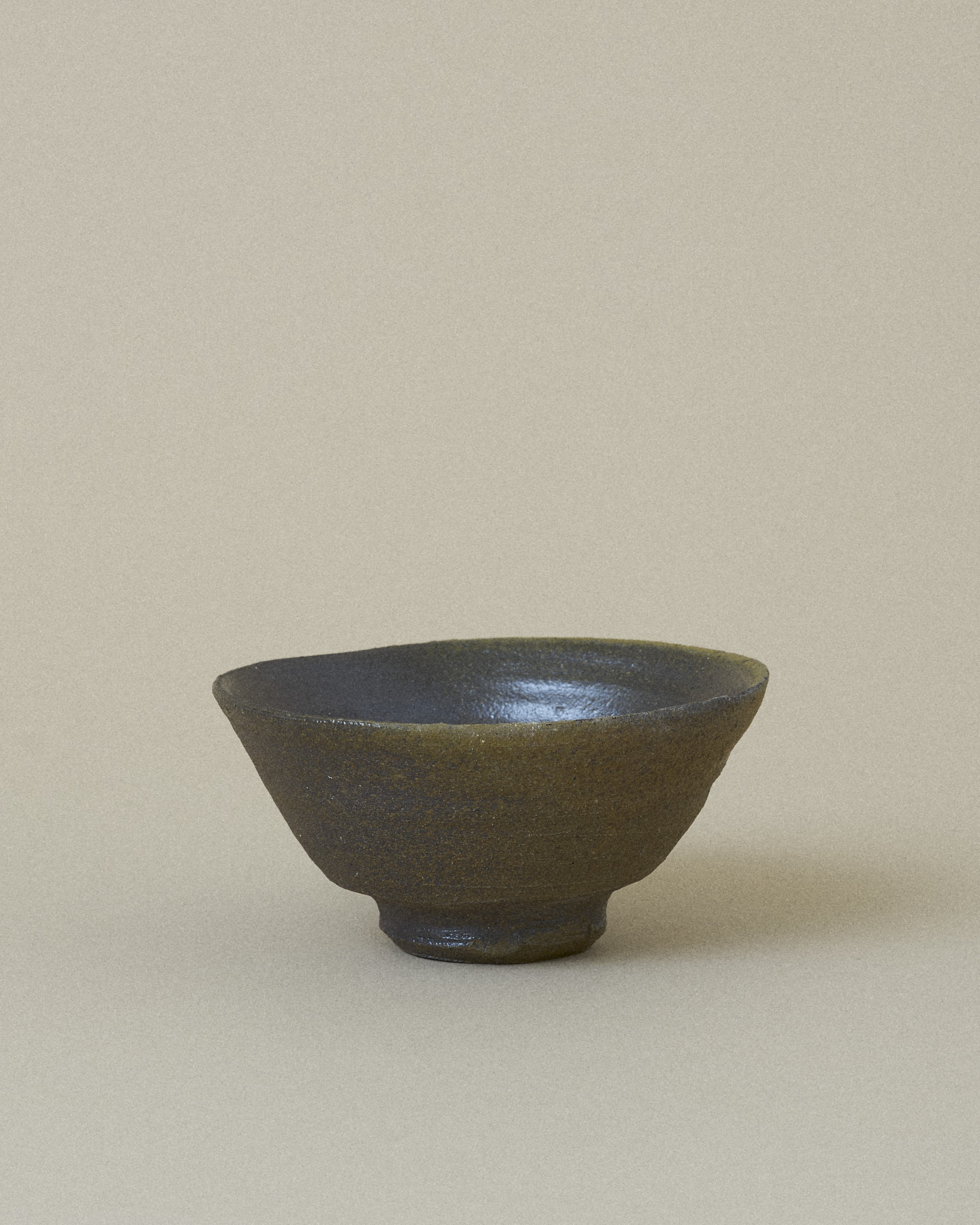
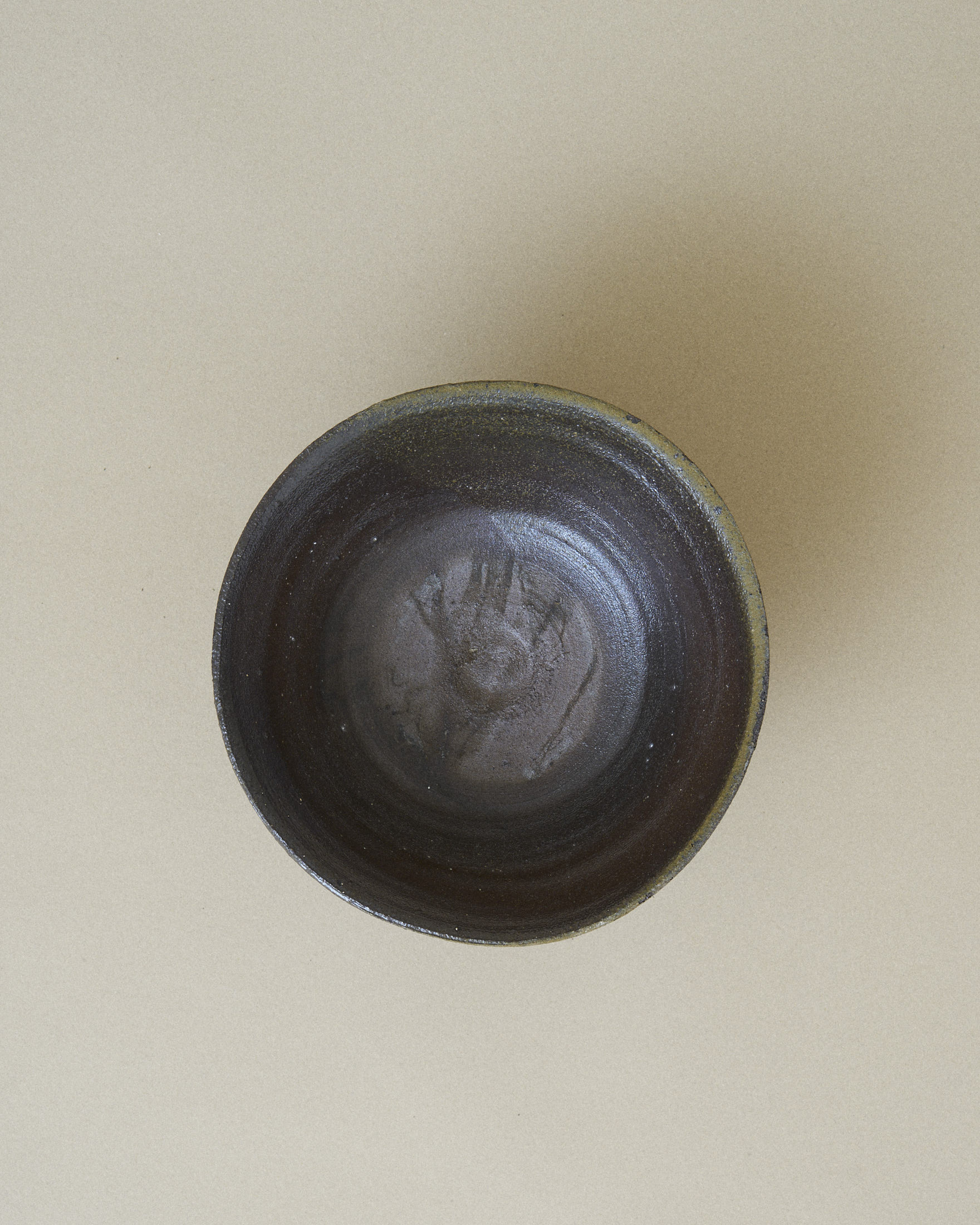
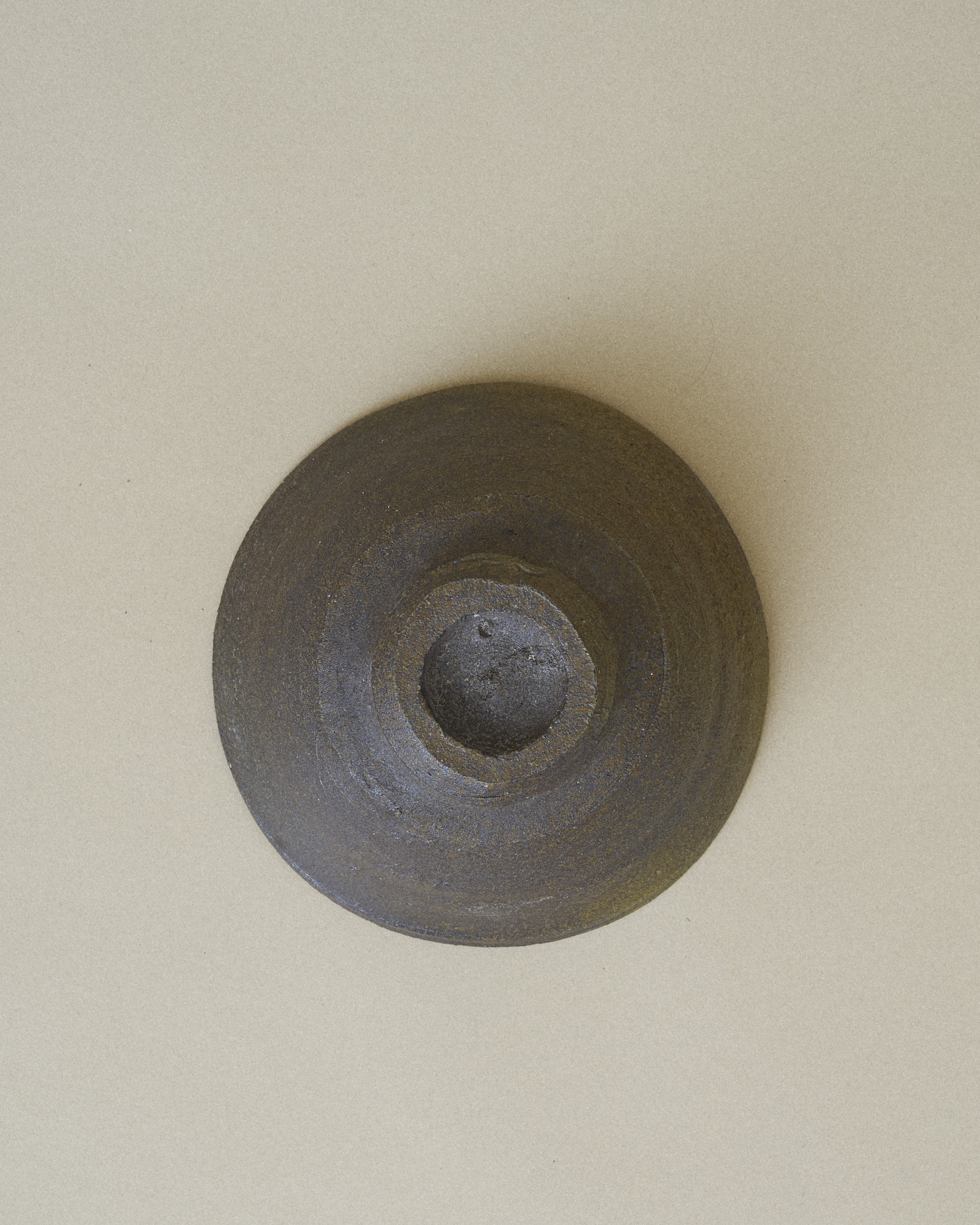
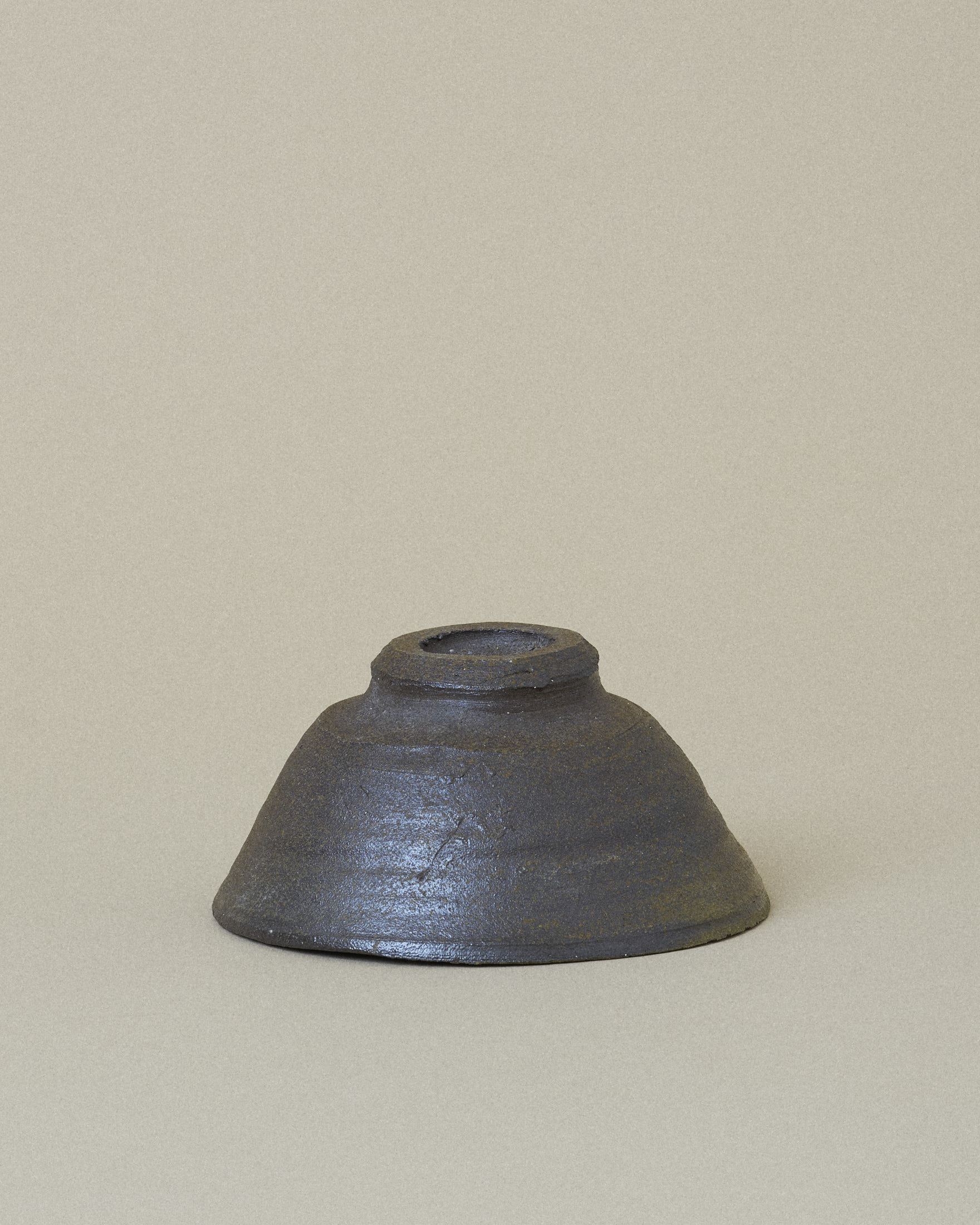
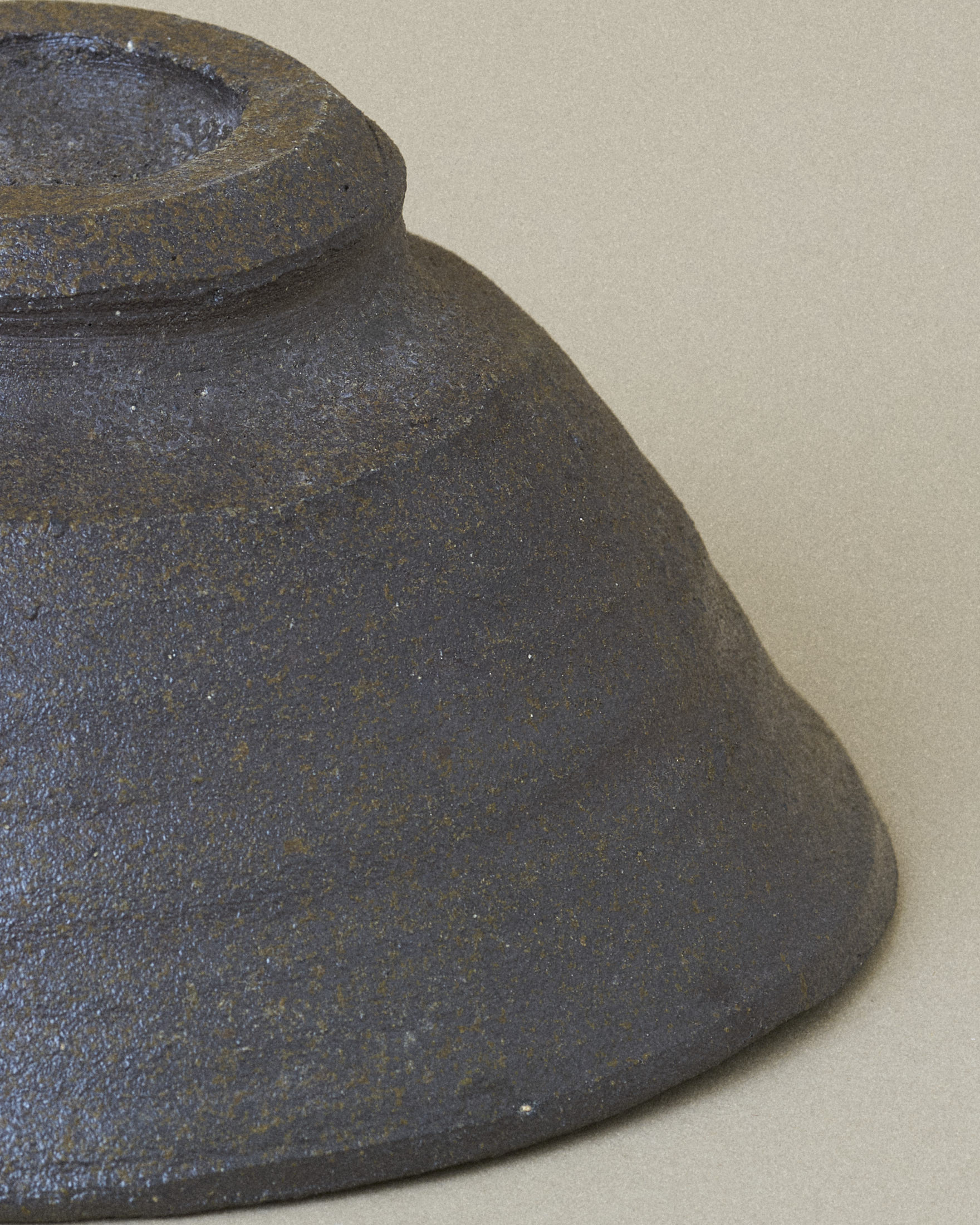
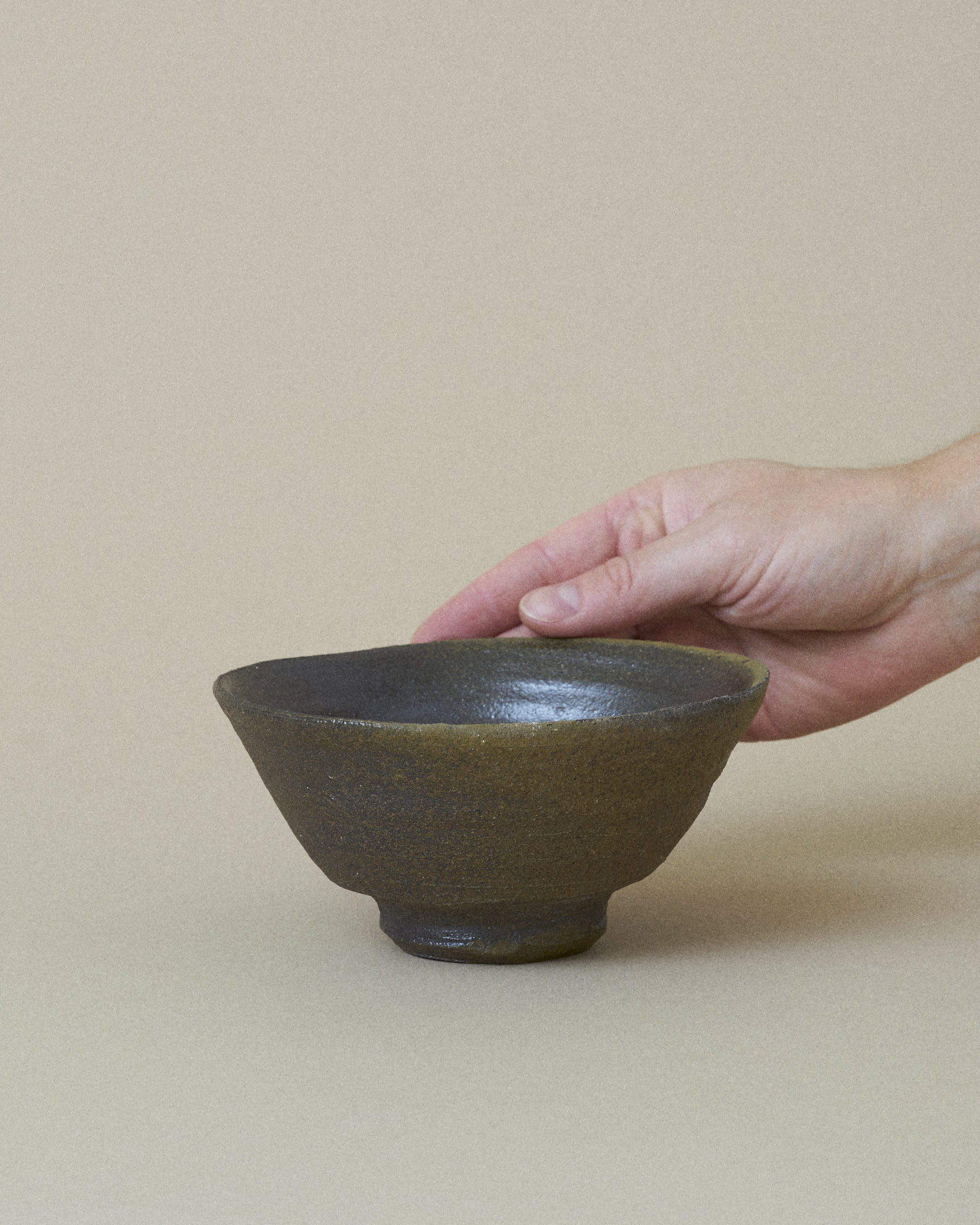
A traditional tea bowl ideal for matcha, yet equally suited for rice, soups or small shared dishes. Its rugged surface reflects its earthy origins, inviting touch and creating a striking contrast with whatever it holds.
CHF 120
Each piece is handmade individually, so slight variations in shape, texture and color may occur. Distortions, roughness or uneven tones are part of the charm and character of handcrafted work. Size and weight are approximate and may vary slightly from piece to piece. We’ve done our best to capture the true color and texture of each item in the photos, but please note that they may appear differently depending on your screen settings and lighting conditions.

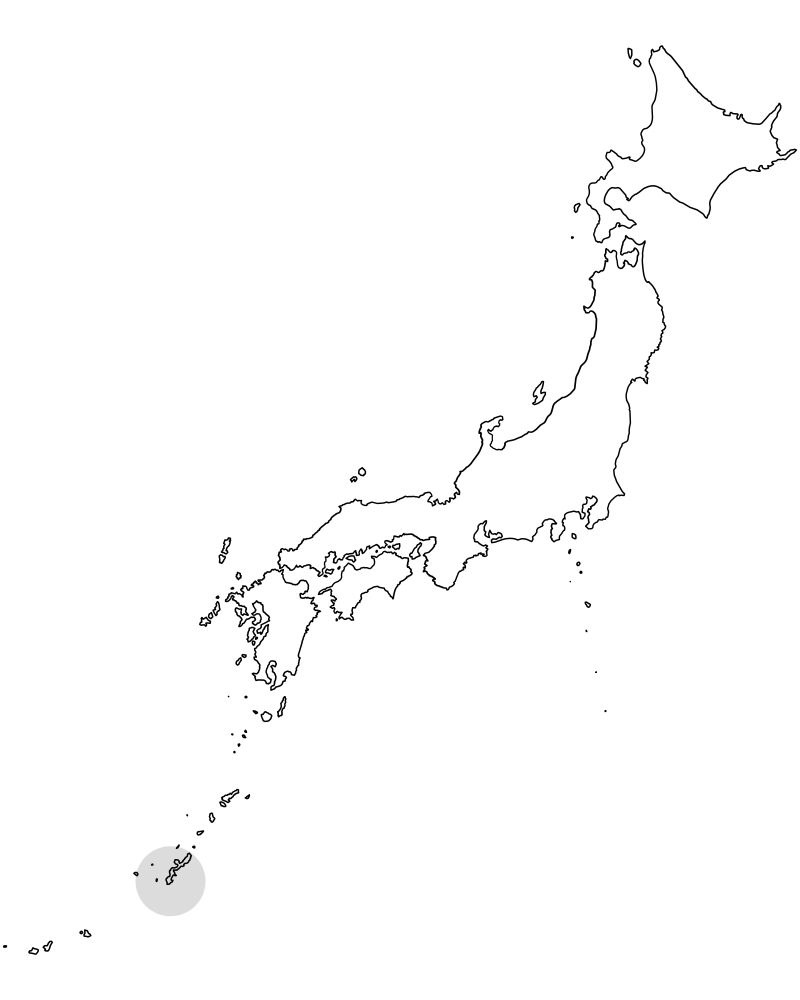


Born in southern Okinawa, she first worked as an office worker in Tokyo. Over time she realized she wanted to work with her hands, and because she felt most deeply connected to the material of soil, she turned to pottery. Beginning in her thirties, she studied for ten years before building her own kiln in the southern part of Okinawa’s main island. When she first established her studio, she balanced part‑time work four days a week with three days devoted entirely to pottery.
She is one of the few artisans in Okinawa who create Arayachi ceramics. Okinawan pottery, known as Yachimun, includes two main types: Joyachi¹ and Arayachi. Arayachi is distinguished by its lack of glaze. Traditionally, it was used for large vessels such as pots and jars to store sake, soy sauce, and miso, taking advantage of its porous nature. The tiny holes in the clay allow the vessels to breathe, making them well‑suited for preservation and aging, while also providing excellent heat retention. Even today, Arayachi pots are used for aging Awamori, Okinawa’s traditional distilled spirit.
¹ Joyachi is Okinawas most common pottery which is finished with colorful smooth glazes and patterns unique to Okinawa.


Komura employs a range of techniques and materials to shape the character of her ceramics. To create tonal variations in brown, green, and red, she works with ash, straw, coral, and mineral‑rich clays.
Wood ash drifting through the kiln settles unpredictably on the surfaces, leaving natural green traces, while for more deliberate effects she rubs ash from burnt coral onto leather‑hard pieces before firing.
On certain vessels, such as vases, she pours a liquid slip made from mineral‑rich clay known as
kucha, which also yields green tones.
By stacking and shielding pieces in the kiln she prevents ash from settling on selected areas, producing contrasting brown and red surfaces.
The fine strokes and scratches inside some bowls and plates come from impressions of rice straw.
To create glossy highlights she sometimes places coral between two pieces so that the points of contact emerge from the kiln with a distinctive shine.


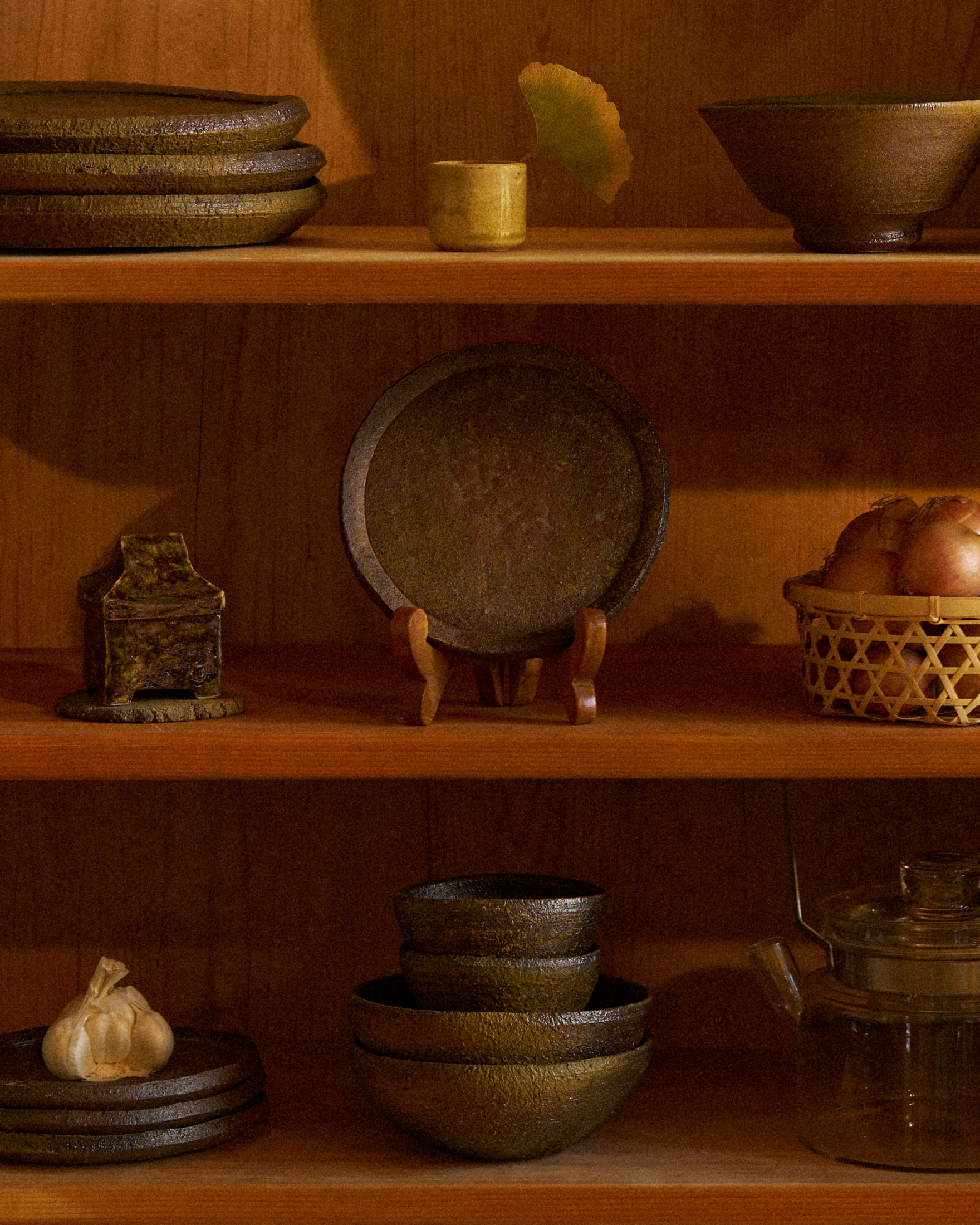
Her range includes everyday tableware such as bowls, plates, cups, bottles, matcha bowls and vases. Beyond these daily objects she also creates sake flasks and fermentation pots, together with traditional pieces like shisa guardian figures and incense holders shaped after Okinawan houses.

Driving along the southern coast of Okinawa toward Komura’s workshop, one passes lush greenery, picturesque shorelines, and the iconic red roofs of Okinawan architecture, standing vivid against the blue sky.


Komura's kiln is fired only twice a year, each firing lasting nearly six days. During this time she works alone, feeding wood into the flames every fifteen minutes. As the heat builds, the rhythm intensifies, and toward the end she must add wood every ten minutes, then every eight, waking through the night to keep the fire alive.
Her kiln is an Anagama² where the character of each piece depends on its position, whether it faces the fire, rests in its shadow, or sits near the fuel itself. Komura has even added a second, slightly elevated chamber, creating two distinct temperature zones that lend further variation to her work. She fires to around 1160 °C, a temperature between earthenware and stoneware. This balance gives her Arayahi pieces strength for daily use without losing the porous, rugged qualities that define Okinawan unglazed ware.
² Anagama is a traditional cave kiln where the combustion chamber and firing chamber are one. Unlike the larger climbing kilns with multiple chambers and steady temperatures, the cave kiln transmits the raw effects of flame and ash directly onto the clay.

Each firing consumes about four tons of Ryukyu pine from northern Okinawa. Komura sorts the wood with care: planks heavy with knots are stacked closest to the kiln entrance, used first because they burn slowly and steadily. Boards with fewer knots, which burn more quickly, are added later as the firing demands sharper bursts of heat.
The result is pottery that carries the marks of this demanding process, surfaces shaped by flame, ash and soil, each vessel bearing a singular expression born from Komura's endurance and the living fire of her kiln.
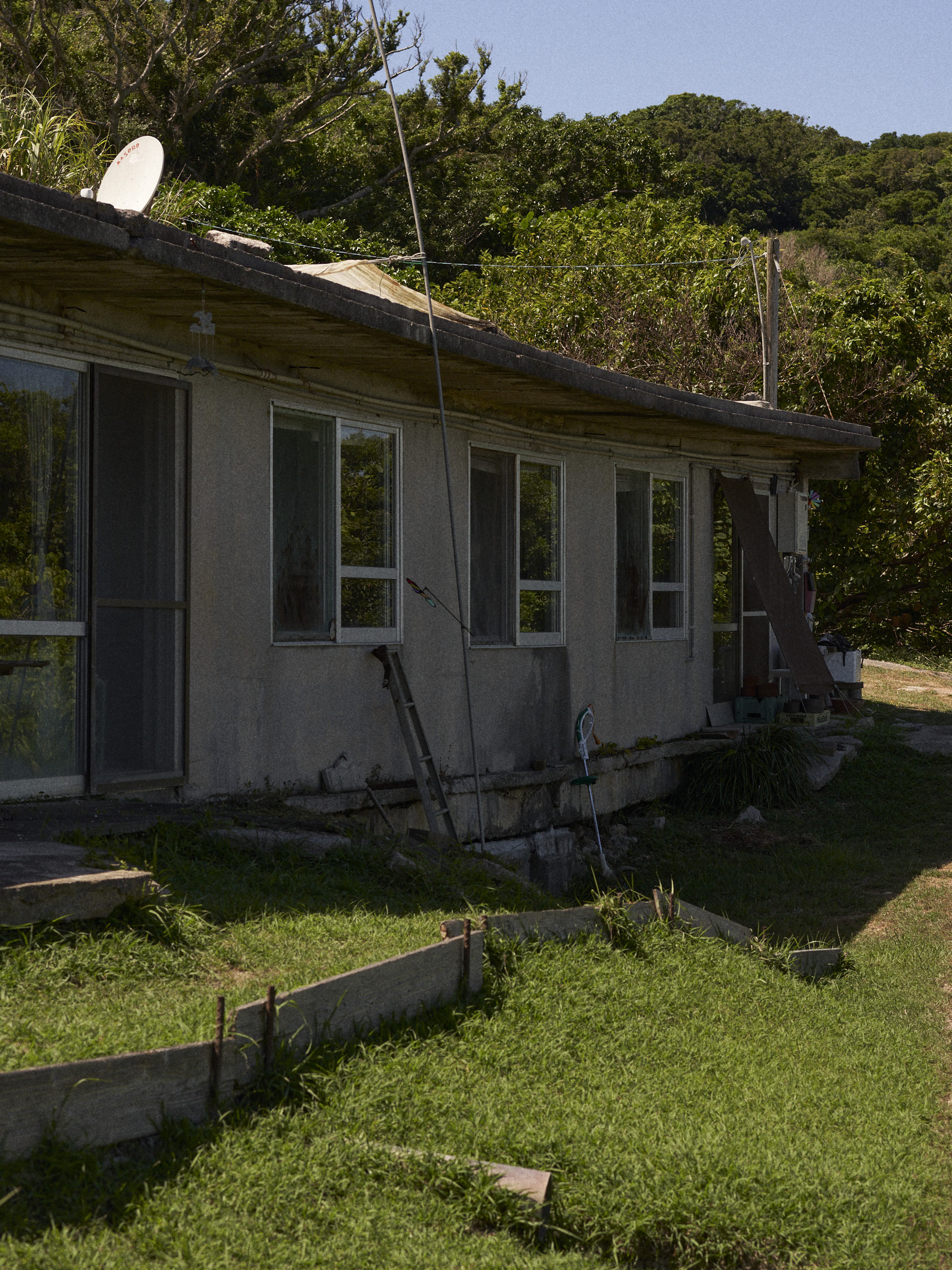
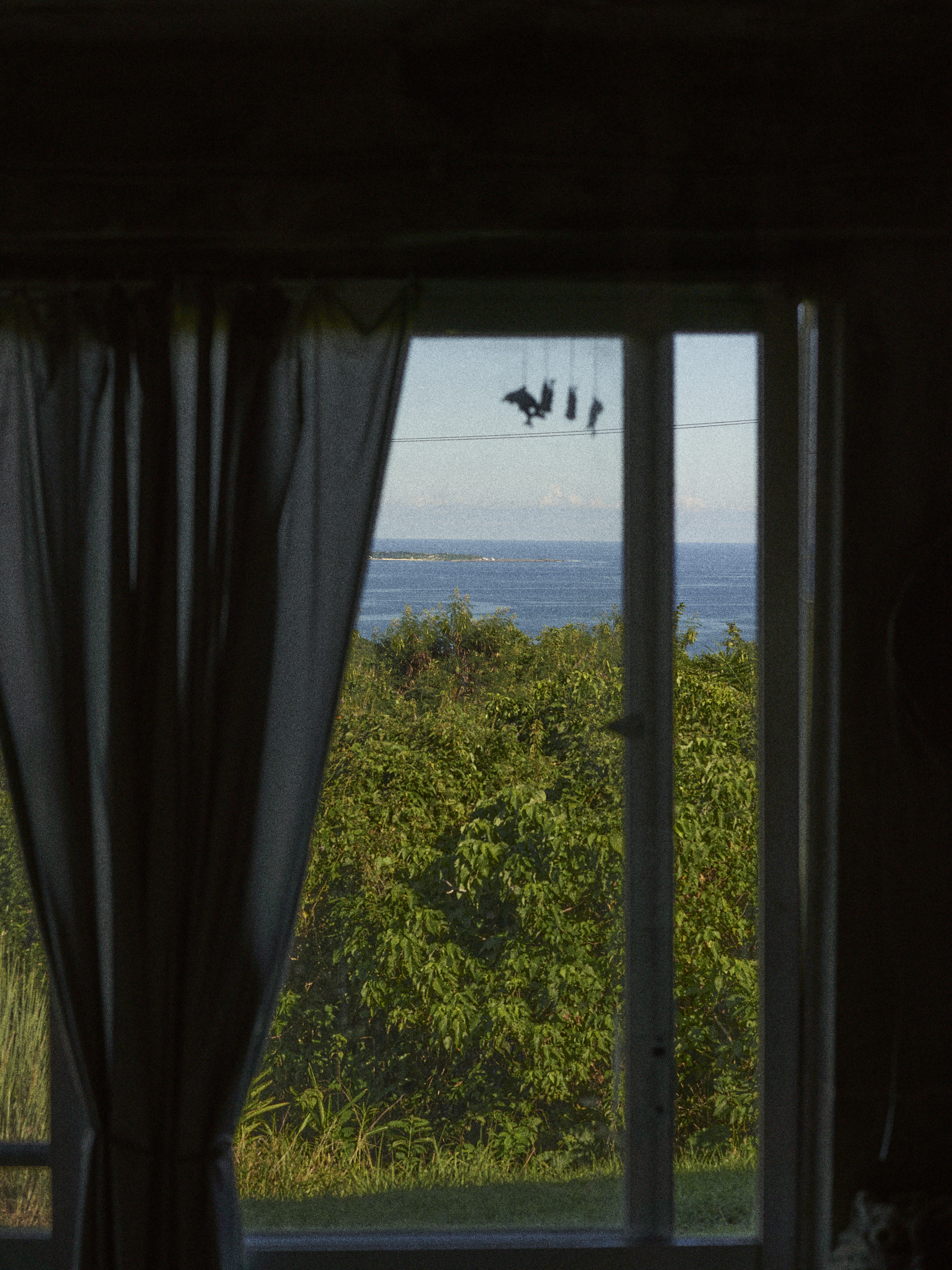
She lives alone in a long and narrow house of about fifty meters, adjacent to the kiln that once served as a chicken coop and now functions as both her workshop and home. The dwelling is completely surrounded by lush greenery, and from its hilltop position the front opens to a sweeping view of the Okinawan sea.


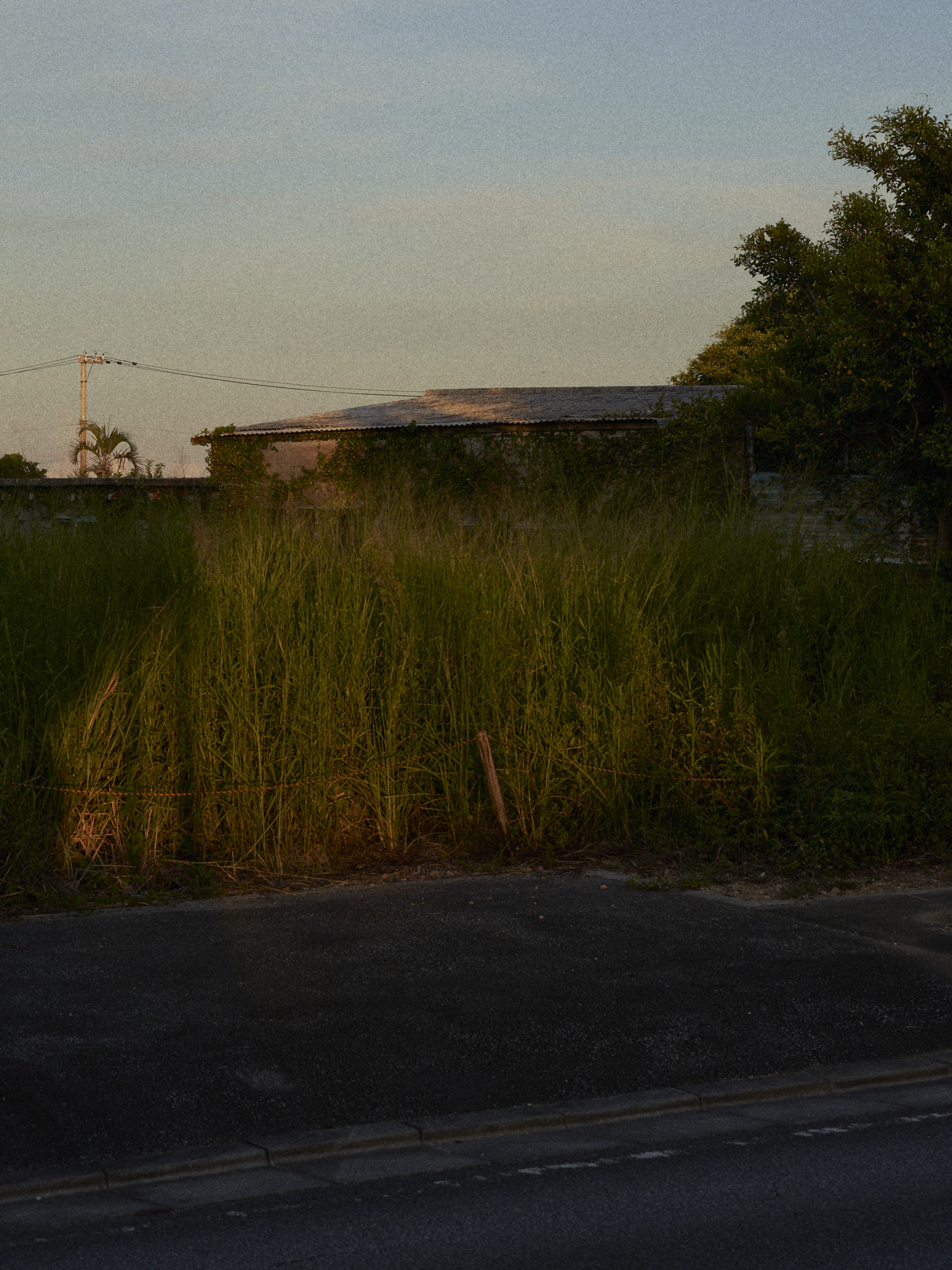
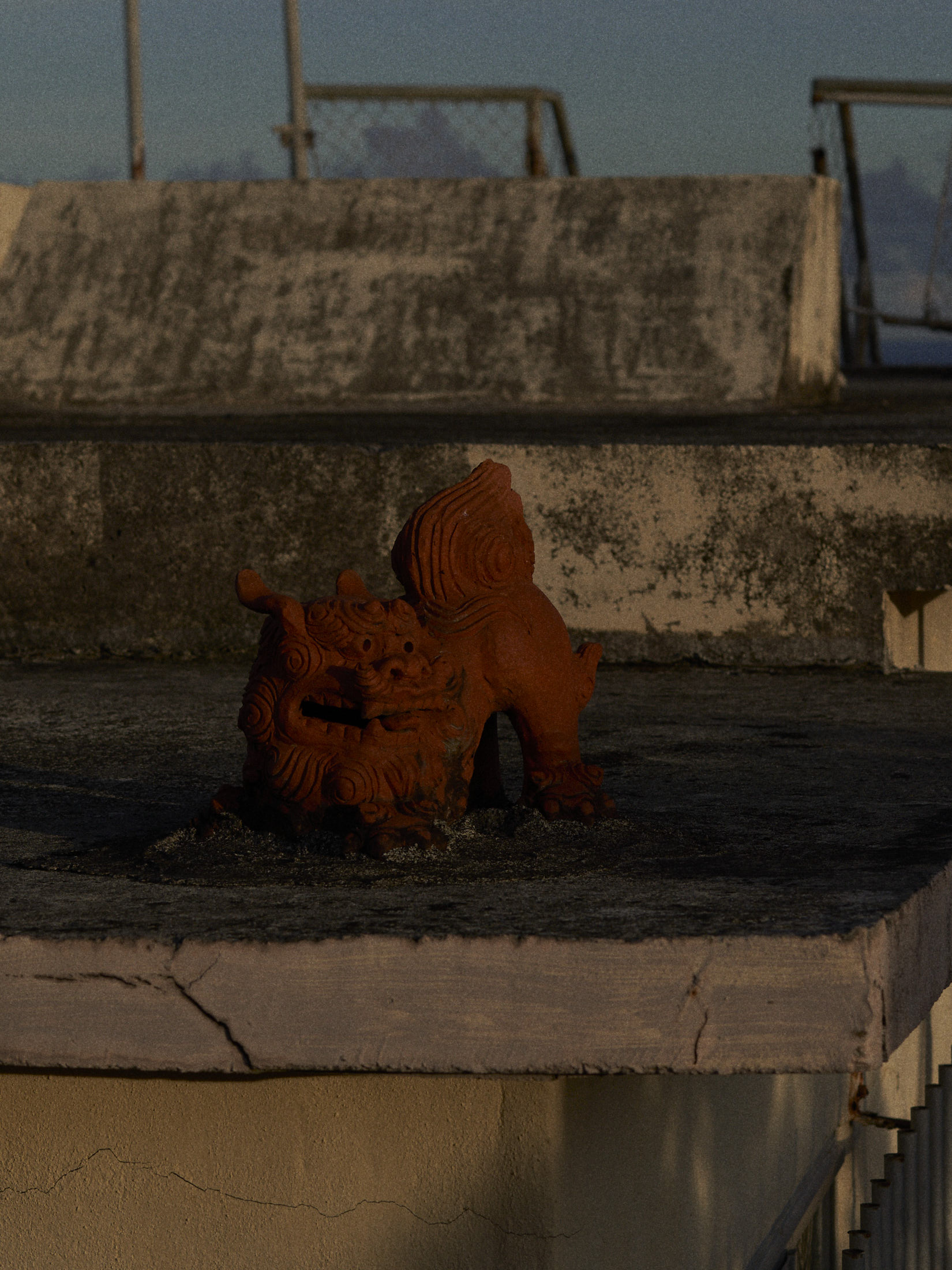
On the way back to the city, the late afternoon light softens under a wide blue sky. The road passes through rural Okinawa, where flowers bloom in abundance and most houses display guardian lion‑dog shisa, keeping watch against misfortune.


We use cookies to enhance your browsing experience and to better analyze website traffic. By clicking 'Accept', you consent to our use of cookies.